The Best Acoustic Panels for Recording
 Researched by Johnny Alto · Published July 30, 2026
Short answer: The best acoustic panels for recording are the ATS Acoustics Sound-Absorbing Panel (2-inch, fabric-wrapped). This is a real broadband absorber, not decorative foam: a 2-inch mineral-wool core in a wood frame wrapped in acoustic fabric, with an NRC around 1.0, meaning it absorbs across the vocal range instead of just killing the highest, hissiest frequencies the way thin foam does. The main things to weigh are wedge foam vs broadband fabric panels, first-reflection-point placement beats quantity, coverage, and the soft-furnishings truth.
Top pickATS Acoustics Sound-Absorbing Panel (2-inch, fabric-wrapped)View offer →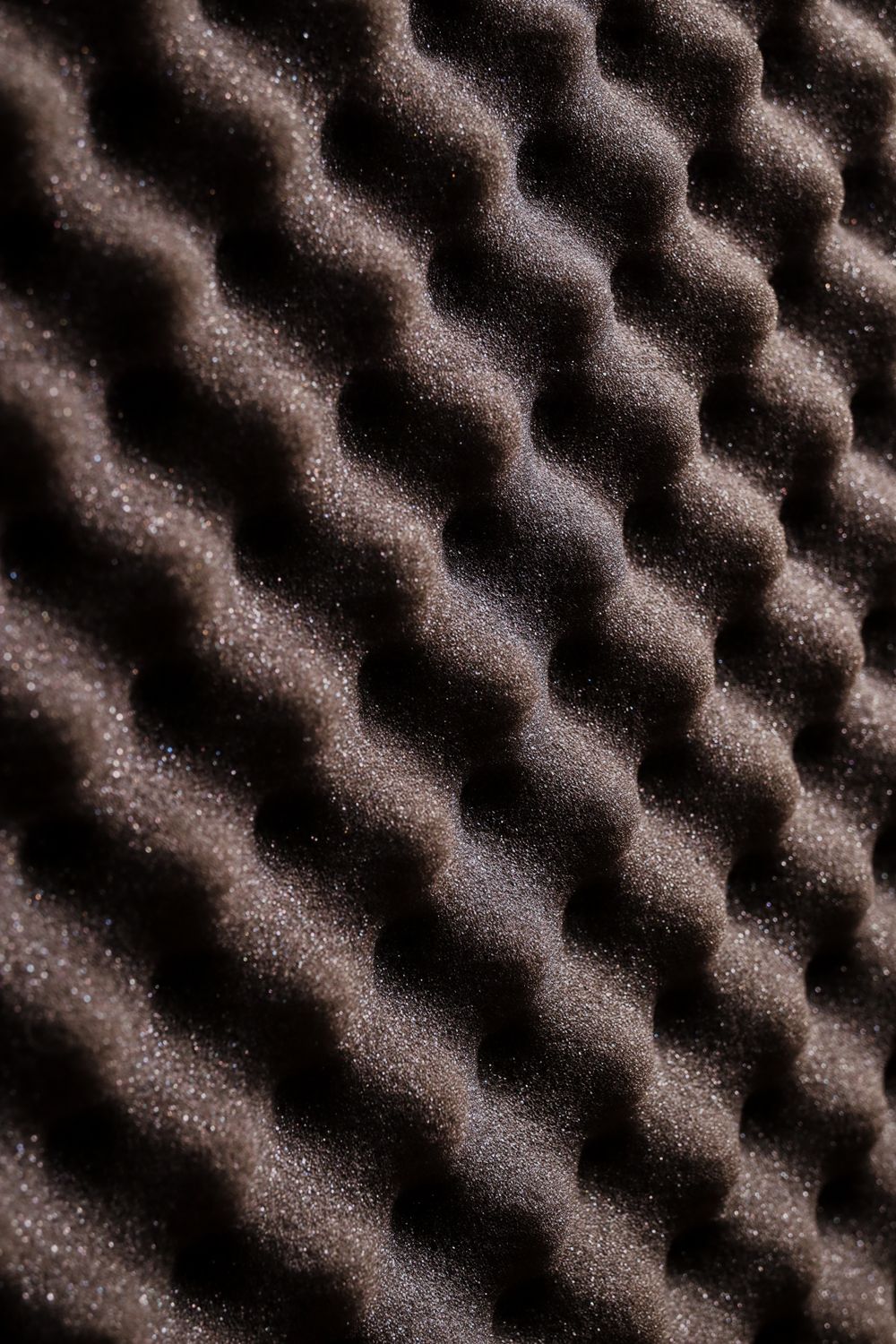
ATS Acoustics Sound-Absorbing Panel (2-inch, fabric-wrapped)
This is a real broadband absorber, not decorative foam: a 2-inch mineral-wool core in a wood frame wrapped in acoustic fabric, with an NRC around 1.0, meaning it absorbs across the vocal range instead of just killing the highest, hissiest frequencies the way thin foam does. Two or three of these placed at your first reflection points do more to clean up a voice than an entire wall of wedge foam, and they look like finished furniture rather than a dorm-room mattress, which matters if the room is on camera. The honest cons: they are heavy, they cost several times more per panel than foam, and this listing is priced per panel, so buy the count you need and know that treating a room adds up. If budget is the only constraint you can approximate the effect with rockwool in a DIY frame for less, losing the finished look and the fire rating.
View on Amazon Editorial illustration.If your mic sounds boxy, echoey, or like you are recording in a bathroom, the room is the problem, not the mic. Acoustic panels do not soundproof, they will not stop noise getting in or out, they absorb the reflections bouncing off bare walls that muddy your voice. This guide is for the home-studio, podcast, or YouTube voiceover person treating one untreated room on a budget, and the honest truth is that where you put a few good panels matters far more than how many cheap ones you glue up. Here is the panel that actually works, the foam options, and how to place them.
How do the best options for acoustic panels for recording compare?
| Pick | Product | Why it makes the list |
|---|---|---|
| Top pick | ATS Acoustics Sound-Absorbing Panel (2-inch, fabric-wrapped) | This is a real broadband absorber, not decorative foam: a 2-inch mineral-wool core in a wood frame wrapped in acoustic fabric, with an NRC around 1.0, meaning it absorbs across the vocal range instead of just killing the highest, hissiest frequencies the way thin foam does. |
| Best renter-friendly / decorative | BUBOS Self-Adhesive Acoustic Panels (12-pack) | Peel-and-stick, tidy-looking, and cheap to cover a lot of wall, which helps flutter echo. At only about 0.4 inch thick these are far thinner than true broadband panels, so they tame high-frequency ring but do little for the lower-midrange body of a voice. |
| Best name-brand foam | Auralex 2-inch Studiofoam Wedgies (24-pack) | Genuine Auralex density, and the 2-inch thickness reaches lower than the ubiquitous 1-inch foam, so it outperforms most no-name wedge tiles. It is still foam, so it is a high-frequency absorber that will not fix a boomy room, and it costs more than generic foam. |
| Cheapest starter foam | Mybecca Acoustic Foam Wedge (12-pack, 1-inch) | Dirt cheap and lightweight, it kills obvious slap-back echo in a small booth or closet. At 1 inch thick this is the does-less-than-people-think tier, barely touching anything below the low mids, so a wall of it still leaves a voice sounding thin and roomy. |
What should you look for in acoustic panels for recording?
A few things separate a good acoustic panels for recording from a frustrating one: wedge foam vs broadband fabric panels, first-reflection-point placement beats quantity, coverage, and the soft-furnishings truth. Weigh these before you buy.
- Wedge foam vs broadband fabric panels: thin foam (1 to 2 inch) only absorbs highs, so it stops sharp echo but leaves the muddy midrange, while a 2-inch-plus mineral-wool or fiberglass panel absorbs across a much wider band, which is what actually makes a voice sound dry; thickness and density beat surface area.
- First-reflection-point placement beats quantity: sit at your mic and slide a mirror along each side wall; anywhere you can see the mic in the mirror is where a panel does the most work, so two panels at the right points beat twelve scattered randomly.
- Coverage: for a small voiceover space, target roughly 4 to 8 broadband panels at the side reflection points, the wall behind the mic, and a corner or two, rather than covering every wall; a thick panel across a corner acts as a cheap bass trap.
- The soft-furnishings truth: a dynamic mic that rejects the room, plus a rug on a hard floor, curtains over a window, and a full bookshelf, will genuinely do more than a few foam squares, so treat the room and pick a mic that ignores it.
Absorption is not soundproofing, and thickness is everything
Two misunderstandings cause most wasted money on acoustic treatment, and clearing them up gets you a clean-sounding room for far less. The first is confusing absorption with soundproofing. Acoustic panels absorb sound reflections inside a room; they do not block sound from passing through walls, so they will not stop your neighbor's dog, street traffic, or your recording leaking to the next room. If your problem is noise getting in or out, panels are the wrong purchase entirely; what they fix is the boxy, echoey, hollow quality your own voice takes on when it bounces off bare hard walls and arrives at the mic a fraction of a second after the direct sound. The second misunderstanding is thinking thin acoustic foam is real treatment. The cheap egg-crate and wedge foam everyone glues to their walls only absorbs high frequencies, because absorption depends on thickness relative to the sound's wavelength, and thin foam is simply too thin to touch the lower-midrange frequencies that give a voice its boomy, roomy body. So a wall covered in 1-inch foam kills the sharp echo but leaves the muddiness, which is why people are disappointed that their expensive foam wall barely helped. Real treatment uses thicker, denser broadband panels, a couple of inches of mineral wool or fiberglass, which absorb across the whole vocal range, and the payoff is that a handful of them placed correctly outperforms a whole room of foam. Placement is the multiplier: the reflections that muddy your recording come off specific spots, your first reflection points, which you find by sitting at the mic and having someone slide a mirror along the walls until you can see the mic, and a panel at each of those points does more than a dozen panels scattered at random. And the cheapest win of all is to pair the room with a dynamic microphone that ignores it, plus the soft furnishings, rug, curtains, bookshelf, you may already own.
What are the best alternatives?
BUBOS Self-Adhesive Acoustic Panels (12-pack)
Peel-and-stick, tidy-looking, and cheap to cover a lot of wall, which helps flutter echo. At only about 0.4 inch thick these are far thinner than true broadband panels, so they tame high-frequency ring but do little for the lower-midrange body of a voice.
View on AmazonAuralex 2-inch Studiofoam Wedgies (24-pack)
Genuine Auralex density, and the 2-inch thickness reaches lower than the ubiquitous 1-inch foam, so it outperforms most no-name wedge tiles. It is still foam, so it is a high-frequency absorber that will not fix a boomy room, and it costs more than generic foam.
View on AmazonMybecca Acoustic Foam Wedge (12-pack, 1-inch)
Dirt cheap and lightweight, it kills obvious slap-back echo in a small booth or closet. At 1 inch thick this is the does-less-than-people-think tier, barely touching anything below the low mids, so a wall of it still leaves a voice sounding thin and roomy.
View on AmazonBottom line: the ATS broadband panels are what actually cleans up a voice, thin foam mostly just tames echo, and placement at your first reflection points beats sheer quantity. Pair room treatment with a mic that rejects the room. Compare it with our microphone guide and our budget microphone guide.
Frequently asked questions
What are the best acoustic panels for recording?
ATS Acoustics Sound-Absorbing Panel (2-inch, fabric-wrapped). This is a real broadband absorber, not decorative foam: a 2-inch mineral-wool core in a wood frame wrapped in acoustic fabric, with an NRC around 1.0, meaning it absorbs across the vocal range instead of just killing the highest, hissiest frequencies the way thin foam does.
What should you look for in acoustic panels for recording?
Focus on wedge foam vs broadband fabric panels, first-reflection-point placement beats quantity, coverage, and the soft-furnishings truth.
What is a good alternative to the ATS Acoustics Sound-Absorbing Panel (2-inch, fabric-wrapped)?
The BUBOS Self-Adhesive Acoustic Panels (12-pack). Peel-and-stick, tidy-looking, and cheap to cover a lot of wall, which helps flutter echo. At only about 0.4 inch thick these are far thinner than true broadband panels, so they tame high-frequency ring but do little for the lower-midrange body of a voice.
Related buying guides
- Air Purifier for Allergies
- Air Purifier for Pets
- Air Purifier for Mold
- Air Purifier for a Bedroom
- Air Purifier for Smoke
This is a research-based buying guide, not a personal hands-on review. Product details, prices, and availability can change; confirm the current listing on Amazon. As an Amazon Associate I earn from qualifying purchases. Amazon and the Amazon logo are trademarks of Amazon.com, Inc. or its affiliates.
← More Guides: A–F · All guides · How we research · About · Affiliate Disclosure · Privacy Policy · Contact