The Best Camera for YouTube Beginners
 Researched by Johnny Alto · Published July 30, 2026
Short answer: The best camera for YouTube beginners is the Sony ZV-E10 II (16-50mm kit). This is the camera to buy when your phone genuinely cannot keep up, because it fixes the exact things a phone cannot: it has a real APS-C sensor, far bigger than any phone, so low-light footage stays clean, and Sony's fast hybrid autofocus locks onto your face and holds it whether you are talking to camera or moving. The main things to weigh are a flip-out front-facing screen is non-negotiable for solo creators, autofocus is the biggest looks-pro factor, sensor size drives low-light quality, and a mic input matters more than megapixels, and mind stabilization.
Top pickSony ZV-E10 II (16-50mm kit)View offer →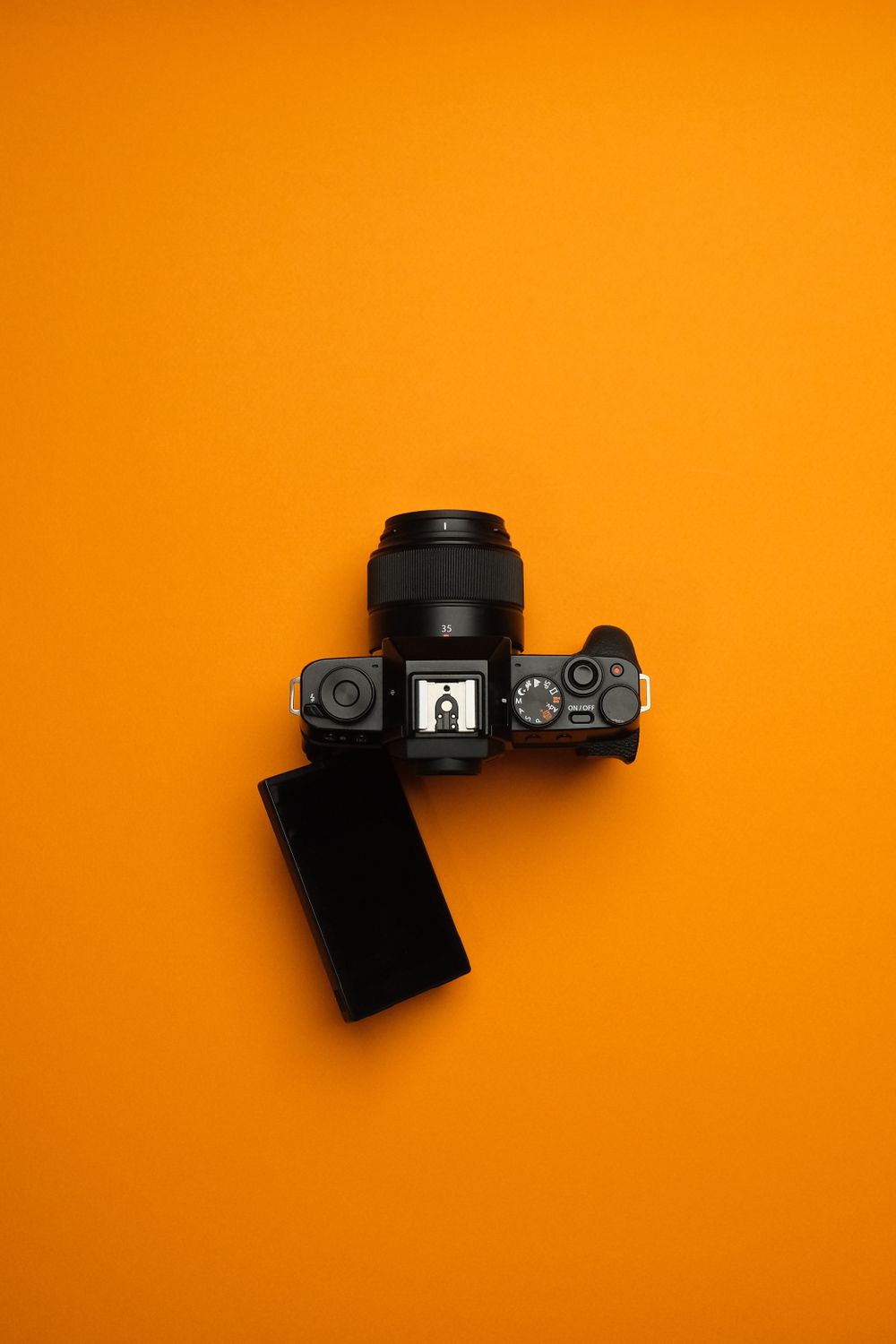
Sony ZV-E10 II (16-50mm kit)
This is the camera to buy when your phone genuinely cannot keep up, because it fixes the exact things a phone cannot: it has a real APS-C sensor, far bigger than any phone, so low-light footage stays clean, and Sony's fast hybrid autofocus locks onto your face and holds it whether you are talking to camera or moving. The vari-angle flip screen faces forward so you can frame yourself, it shoots 4K/60p, and because it is an interchangeable-lens body you can later add a bright prime for background blur or a wide lens for arm's-length vlogging. It also has a proper mic input and a hot-shoe, so upgrading your audio, the thing that actually makes videos feel pro, is easy. The honest con: it has no in-body stabilization, so handheld walk-and-talk looks jittery unless you use the lens stabilization plus a cropped digital mode or a gimbal, so if most of your shooting is moving vlogs, a Pocket 3 may suit you better. It is also the priciest pick here, so step up only when a real limit is blocking you.
View on Amazon Editorial illustration.Your phone is a genuinely good camera and it is the right tool to start a channel with, so do not buy anything until a specific limitation is actively blocking you. This guide is for the creator who has hit a real wall: grainy indoor footage, autofocus that hunts, or wanting real background blur and lens choice. When that day comes, here is the honest upgrade path, the do-it-all pick, a vlogging option, and the simplest point-and-shoot.
How do the best options for camera for YouTube beginners compare?
| Pick | Product | Why it makes the list |
|---|---|---|
| Top pick | Sony ZV-E10 II (16-50mm kit) | This is the camera to buy when your phone genuinely cannot keep up, because it fixes the exact things a phone cannot: it has a real APS-C sensor, far bigger than any phone, so low-light footage stays clean, and Sony's fast hybrid autofocus locks onto your face and holds it whether you are talking to camera or moving. |
| Best for moving vlogs | DJI Osmo Pocket 3 | A 1-inch-sensor gimbal camera that produces buttery-smooth handheld footage no mirrorless body can match at this size, and it is pocketable. It has a fixed lens and a small fragile form factor, and it is weaker in very low light than a big-sensor body. |
| Best point-and-shoot simplicity | Sony ZV-1 II | A fixed wide zoom and a flip screen, so there is zero lens-swapping and it is genuinely pocketable for a grab-it-and-talk workflow. Its smaller 1-inch sensor and limited accessory flexibility make it less future-proof than the ZV-E10 II. |
| Best photo-and-video hybrid | Canon EOS R50 (18-45mm kit) | The same class of APS-C sensor with Canon's excellent Dual Pixel autofocus and pleasing skin-tone color, plus a viewfinder if you also shoot stills. It has no in-body stabilization and Canon's RF-S lens lineup is thinner, so there are fewer cheap-lens upgrade paths. |
What should you look for in camera for YouTube beginners?
A few things separate a good camera for YouTube beginners from a frustrating one: a flip-out front-facing screen is non-negotiable for solo creators, autofocus is the biggest looks-pro factor, sensor size drives low-light quality, and a mic input matters more than megapixels, and mind stabilization. Weigh these before you buy.
- A flip-out front-facing screen is non-negotiable for solo creators: you must see yourself while recording, and a fully articulating vari-angle screen beats a tilt-only one, which gets blocked when a mic or tripod is mounted.
- Autofocus is the biggest looks-pro factor: look for phase-detect or hybrid AF with continuous eye and face tracking; cheaper older cameras use contrast-detect AF that visibly hunts.
- Sensor size drives low-light quality: a 1-inch sensor beats a phone and an APS-C sensor beats a 1-inch, which matters most in a dim room where phones fail first.
- A mic input matters more than megapixels, and mind stabilization: a 3.5mm mic input lets you fix audio, and note most of these lack in-body stabilization, so budget for a gimbal for moving vlogs; your phone is enough until low light, autofocus, or lens choice specifically stops you.
Buy a camera when a limit blocks you, not before
The most useful camera advice for a new YouTuber is counterintuitive: do not buy one yet. Modern phones shoot sharp, well-exposed 4K that is more than good enough for your first dozens of videos, and the creators who spend hundreds on a camera before they have built a publishing habit are the ones most likely to end up with an empty channel and buyer's remorse. The right time to upgrade is not a date, it is a specific limitation that is actively getting in your way, and there are really only three. The first is low light: phones fall apart in dim rooms, going grainy and smeary, so if you film indoors in the evening and hate how it looks, a bigger sensor is the fix. The second is autofocus: if your phone hunts, breathes, or loses your face when you move, a dedicated camera with proper eye-tracking autofocus keeps you sharp in a way that instantly reads as professional. The third is creative control: if you want real background blur, or a wide lens for arm's-length vlogging, or the ability to swap glass as you grow, an interchangeable-lens body opens that door. If none of those three is blocking you, a camera will not meaningfully improve your videos, and the money is better spent on the things that will, which is audio first and lighting second. When one of those limits does start to bite, the honest upgrade is a modern mirrorless body with a flip screen, good autofocus, and a mic input, and you buy the one whose weaknesses you can live with, accepting that most affordable bodies skip in-body stabilization and lean on a gimbal for smooth handheld movement.
What are the best alternatives?
DJI Osmo Pocket 3
A 1-inch-sensor gimbal camera that produces buttery-smooth handheld footage no mirrorless body can match at this size, and it is pocketable. It has a fixed lens and a small fragile form factor, and it is weaker in very low light than a big-sensor body.
View on AmazonSony ZV-1 II
A fixed wide zoom and a flip screen, so there is zero lens-swapping and it is genuinely pocketable for a grab-it-and-talk workflow. Its smaller 1-inch sensor and limited accessory flexibility make it less future-proof than the ZV-E10 II.
View on AmazonCanon EOS R50 (18-45mm kit)
The same class of APS-C sensor with Canon's excellent Dual Pixel autofocus and pleasing skin-tone color, plus a viewfinder if you also shoot stills. It has no in-body stabilization and Canon's RF-S lens lineup is thinner, so there are fewer cheap-lens upgrade paths.
View on AmazonBottom line: the Sony ZV-E10 II is the do-it-all upgrade when your phone hits a wall, the Osmo Pocket 3 is the smooth vlogging pick, and the ZV-1 II is the simplest point-and-shoot. Buy a camera only when a real limit blocks you, and spend on audio first. Pair it with our YouTube starter kit guide and our tripod guide.
Frequently asked questions
What is the best camera for YouTube beginners?
Sony ZV-E10 II (16-50mm kit). This is the camera to buy when your phone genuinely cannot keep up, because it fixes the exact things a phone cannot: it has a real APS-C sensor, far bigger than any phone, so low-light footage stays clean, and Sony's fast hybrid autofocus locks onto your face and holds it whether you are talking to camera or moving.
What should you look for in camera for YouTube beginners?
Focus on a flip-out front-facing screen is non-negotiable for solo creators, autofocus is the biggest looks-pro factor, sensor size drives low-light quality, and a mic input matters more than megapixels, and mind stabilization.
What is a good alternative to the Sony ZV-E10 II (16-50mm kit)?
The DJI Osmo Pocket 3. A 1-inch-sensor gimbal camera that produces buttery-smooth handheld footage no mirrorless body can match at this size, and it is pocketable. It has a fixed lens and a small fragile form factor, and it is weaker in very low light than a big-sensor body.
Related buying guides
- Air Purifier for Allergies
- Air Purifier for Pets
- Air Purifier for Mold
- Air Purifier for a Bedroom
- Air Purifier for Smoke
This is a research-based buying guide, not a personal hands-on review. Product details, prices, and availability can change; confirm the current listing on Amazon. As an Amazon Associate I earn from qualifying purchases. Amazon and the Amazon logo are trademarks of Amazon.com, Inc. or its affiliates.
← More Tech & Creator Gear · All guides · How we research · About · Affiliate Disclosure · Privacy Policy · Contact