The Best Matcha Whisk
 Researched by Johnny Alto · Published July 29, 2026
Short answer: The best matcha whisk is the Ocha & Co. Nara Takayama Chasen, 80-Prong (Made in Japan). An authentic Nara Takayama-made chasen is the honest recommendation for anyone serious about matcha, because the hand-carved prongs are thinner and springier than mass-produced bamboo, so they whisk fast without scraping the bowl and produce a smoother, more even suspension. The main things to weigh are prong count, authenticity, care is non-negotiable, and a ceramic whisk holder is a worthwhile add-on.
Top pickOcha & Co. Nara Takayama Chasen, 80-Prong (Made in Japan)View offer →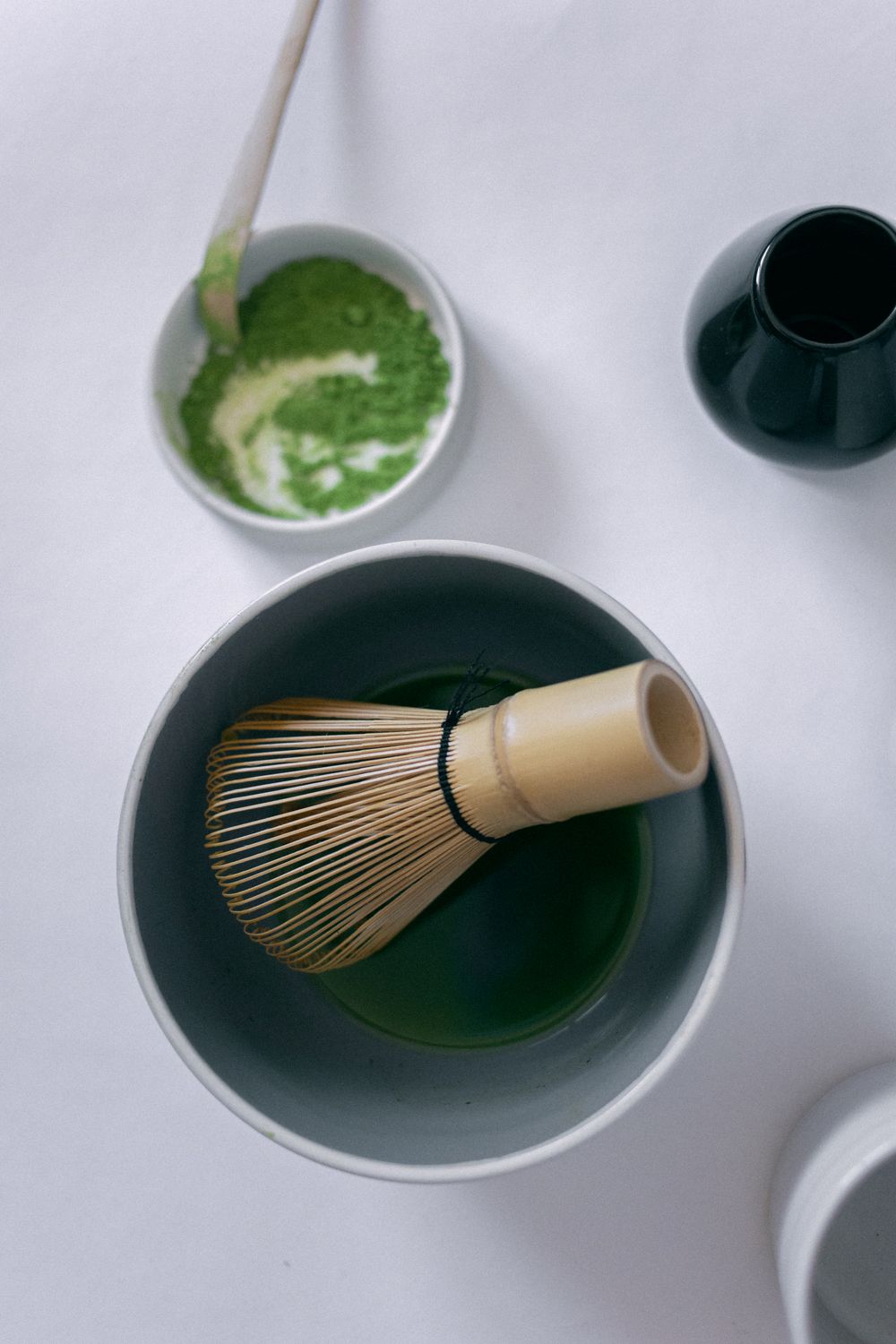
Ocha & Co. Nara Takayama Chasen, 80-Prong (Made in Japan)
An authentic Nara Takayama-made chasen is the honest recommendation for anyone serious about matcha, because the hand-carved prongs are thinner and springier than mass-produced bamboo, so they whisk fast without scraping the bowl and produce a smoother, more even suspension. Ocha & Co. is a long-established tea seller and this is black-bamboo made by a recognized Nara craftsman, which is a safer authenticity bet than the flood of unbranded whisks. The honest limits: bamboo is consumable, so prongs will eventually splay or snap with daily use (expect months, not years), an 80-prong makes slightly less aggressive froth than a 100-plus prong, it costs more than the $8 whisks, and like all bamboo it must be dried properly or it molds.
View on Amazon Editorial illustration.Matcha clumps, and a spoon will not fix it, you need a whisk that suspends the powder and pulls a fine froth. This is for buyers deciding between an authentic hand-made Takayama chasen, a cheap high-prong whisk, and the electric frother shortcut, with the honest truth that any bamboo whisk is a consumable, not a lifetime tool. Here is the authentic pick, a froth-maximizing option, and the electric alternative, plus the care that makes a whisk last.
How do the best options for matcha whisk compare?
| Pick | Product | Why it makes the list |
|---|---|---|
| Top pick | Ocha & Co. Nara Takayama Chasen, 80-Prong (Made in Japan) | An authentic Nara Takayama-made chasen is the honest recommendation for anyone serious about matcha, because the hand-carved prongs are thinner and springier than mass-produced bamboo, so they whisk fast without scraping the bowl and produce a smoother, more even suspension. |
| Best froth / all-rounder | 100-Prong Bamboo Chasen (Zen Superfood) | The extra fine tines whip more air in, so it is the easiest path to a thick latte-style foam and the best all-round prong count. Cheaper unbranded 100-prong whisks vary in bamboo quality and can shed or splay faster than a Takayama-made one. |
| Best value set (with holder) | 100-Prong Matcha Whisk Set (chasen, bowl, scoop, sifter, holder) | The cheapest way in for a beginner, and it includes the ceramic holder that reshapes and dries the whisk to extend its life. The kit whisk and bowl are entry-level quality, so you will likely upgrade the chasen later. |
| Electric alternative | Morning Made Electric Matcha Whisk / Frother | Battery-powered, blends matcha lump-free in seconds with zero technique, and doubles as a milk frother for lattes. It is not traditional, the motor eventually dies, and it whips in more air for a foamier, less traditional texture. |
What should you look for in matcha whisk?
A few things separate a good matcha whisk from a frustrating one: prong count, authenticity, care is non-negotiable, and a ceramic whisk holder is a worthwhile add-on. Weigh these before you buy.
- Prong count: 80 is the traditional usucha standard and plenty for daily drinking; 100 to 120 prongs whip more air for thicker froth and are the easier all-rounder for latte foam.
- Authenticity: Nara/Takayama, made-in-Japan hand-carved bamboo outperforms and outlasts generic imports, but all bamboo whisks are consumable and will splay eventually.
- Care is non-negotiable: rinse in warm water only (no soap, no dishwasher), never soak, and dry prongs-up on a whisk holder so it keeps its shape and does not mold.
- A ceramic whisk holder is a worthwhile add-on (many sets include one) because it reshapes the splayed prongs and dramatically extends whisk life.
Any bamboo whisk is a consumable
It is worth setting expectations up front: a bamboo matcha whisk, even a beautiful hand-carved Takayama one, is a wear item, not a lifetime tool. The dozens of fine prongs that suspend the powder and pull froth are thin bamboo, and with daily whisking they gradually splay outward and eventually crack or snap, so measure a whisk's life in months, not years. That is normal and not a defect. Two things stretch that life meaningfully. First, care: rinse the whisk in warm water only, never with soap or in a dishwasher, do not let it soak, and dry it prongs-up so water runs out and it does not sit damp and grow mold. Second, a ceramic whisk holder (kusenaoshi), the little dome many sets include, which you rest the wet whisk over so it dries in its original curved shape instead of splaying, and it genuinely extends how long the whisk stays usable. On prong count, 80 is the traditional standard and makes excellent everyday matcha, while 100-plus prongs trap more air for a thicker, latte-style foam, so pick by whether you care more about tradition or froth. If technique and upkeep are not your thing at all, an electric frother sidesteps the whole consumable problem, at the cost of a less traditional texture.
What are the best alternatives?
100-Prong Bamboo Chasen (Zen Superfood)
The extra fine tines whip more air in, so it is the easiest path to a thick latte-style foam and the best all-round prong count. Cheaper unbranded 100-prong whisks vary in bamboo quality and can shed or splay faster than a Takayama-made one.
View on Amazon100-Prong Matcha Whisk Set (chasen, bowl, scoop, sifter, holder)
The cheapest way in for a beginner, and it includes the ceramic holder that reshapes and dries the whisk to extend its life. The kit whisk and bowl are entry-level quality, so you will likely upgrade the chasen later.
View on AmazonMorning Made Electric Matcha Whisk / Frother
Battery-powered, blends matcha lump-free in seconds with zero technique, and doubles as a milk frother for lattes. It is not traditional, the motor eventually dies, and it whips in more air for a foamier, less traditional texture.
View on AmazonBottom line: an authentic Takayama chasen is the pick for smooth, even matcha; go 100-prong for maximum froth, a full set for a cheap start with a holder, or an electric whisk for zero-technique speed. Treat any bamboo whisk as a consumable and dry it on a holder. Pair it with our moka-pot and cozy-home guides.
Frequently asked questions
What is the best matcha whisk?
Ocha & Co. Nara Takayama Chasen, 80-Prong (Made in Japan). An authentic Nara Takayama-made chasen is the honest recommendation for anyone serious about matcha, because the hand-carved prongs are thinner and springier than mass-produced bamboo, so they whisk fast without scraping the bowl and produce a smoother, more even suspension.
What should you look for in matcha whisk?
Focus on prong count, authenticity, care is non-negotiable, and a ceramic whisk holder is a worthwhile add-on.
What is a good alternative to the Ocha & Co. Nara Takayama Chasen, 80-Prong (Made in Japan)?
The 100-Prong Bamboo Chasen (Zen Superfood). The extra fine tines whip more air in, so it is the easiest path to a thick latte-style foam and the best all-round prong count. Cheaper unbranded 100-prong whisks vary in bamboo quality and can shed or splay faster than a Takayama-made one.
Related buying guides
- Air Purifier for Allergies
- Air Purifier for Pets
- Air Purifier for Mold
- Air Purifier for a Bedroom
- Air Purifier for Smoke
This is a research-based buying guide, not a personal hands-on review. Product details, prices, and availability can change; confirm the current listing on Amazon. As an Amazon Associate I earn from qualifying purchases. Amazon and the Amazon logo are trademarks of Amazon.com, Inc. or its affiliates.
← More Guides: M–R · All guides · How we research · About · Affiliate Disclosure · Privacy Policy · Contact