The Best Oil Pastels for Blending
 Researched by Johnny Alto · Published July 29, 2026
Short answer: The best oil pastels for blending are the Sennelier Oil Pastels (Introductory Set of 24). Sennelier is the reference standard for blendable oil pastels: the formula is exceptionally soft, creamy, and high in pigment load, so colors move and layer like paint rather than wax crayon, and reviewers consistently call them the creamiest and most easily blendable oil pastels they have used, workable further with a brush and solvent. The main things to weigh are blendability tracks softness, soft pastels wear fast and stay tacky, lightfastness is per-pigment, not per-brand, and extend blending.
Top pickSennelier Oil Pastels (Introductory Set of 24)View offer →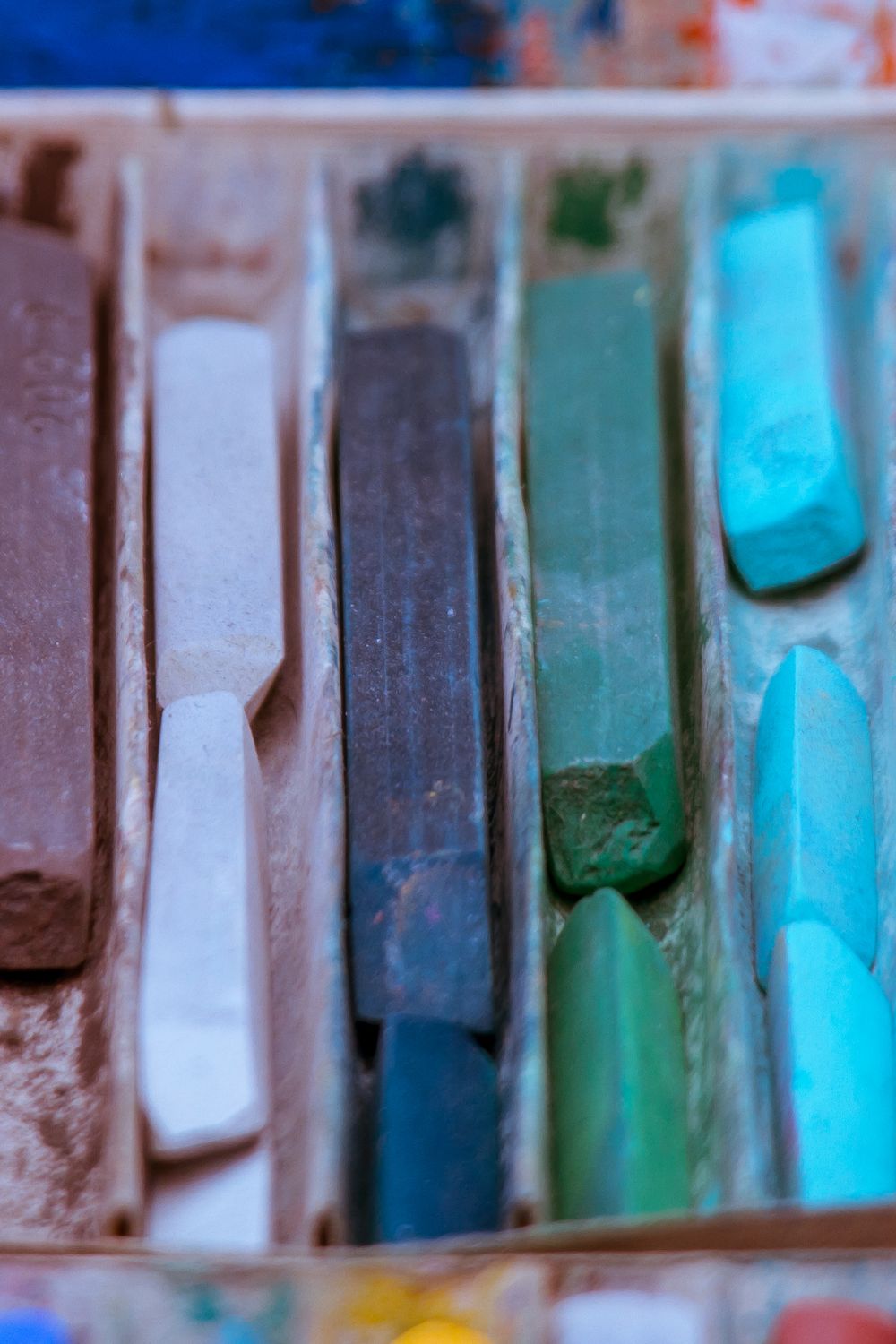
Sennelier Oil Pastels (Introductory Set of 24)
Sennelier is the reference standard for blendable oil pastels: the formula is exceptionally soft, creamy, and high in pigment load, so colors move and layer like paint rather than wax crayon, and reviewers consistently call them the creamiest and most easily blendable oil pastels they have used, workable further with a brush and solvent. The honest limits: they are expensive per stick, and that same softness means they wear down fast, get mushy in warm hands or rooms, and can be hard to control for fine detail; they also never fully dry, so finished work needs glassine protection or framing, and lightfastness varies by color, so check individual pigment ratings if permanence matters.
View on Amazon Editorial illustration.People searching this are usually frustrated that their pastels are dragging, crumbling, or turning muddy when they try to smear colors together. Blendability is almost entirely a function of how soft and oil-rich the stick is, which is why this is really an artist-grade versus student-grade question. This is for hobbyists and intermediate artists who want that buttery, paint-like smear and are deciding whether the premium price is worth it. Here is the pick, a budget artist-grade option, and what drives blending.
How do the best options for oil pastels for blending compare?
| Pick | Product | Why it makes the list |
|---|---|---|
| Top pick | Sennelier Oil Pastels (Introductory Set of 24) | Sennelier is the reference standard for blendable oil pastels: the formula is exceptionally soft, creamy, and high in pigment load, so colors move and layer like paint rather than wax crayon, and reviewers consistently call them the creamiest and most easily blendable oil pastels they have used, workable further with a brush and solvent. |
| Best budget artist-grade | Mungyo Gallery Artists' Soft Oil Pastels (24) | Genuinely soft and blendable at a fraction of Sennelier's price, the standard try-soft-oil-pastels-without-the-sting recommendation. Slightly less creamy and lower pigment density than Sennelier, and lightfastness is not individually documented. |
| Best blending accessory | Sennelier Oil Pastel Colorless Blender Stick | A pigment-free soft stick for pushing and smoothing colors together without adding a new hue, ideal for blends and gradients. It is a single accessory, not a color set, and only helps if your base pastels are already fairly soft. |
| Premium alternative | Holbein Artists' Oil Pastels | The other name routinely ranked alongside Sennelier for softness and a huge, highly pigmented color range. It is comparably priced and usually sold open-stock or in large sets rather than a cheap starter pack. |
What should you look for in oil pastels for blending?
A few things separate a good oil pastels for blending from a frustrating one: blendability tracks softness, soft pastels wear fast and stay tacky, lightfastness is per-pigment, not per-brand, and extend blending. Weigh these before you buy.
- Blendability tracks softness: artist or professional grade (Sennelier, Holbein, Mungyo Gallery) blends far better than hard student oil pastels, which are waxy and resist smearing.
- Soft pastels wear fast and stay tacky: budget for high stick consumption, and protect finished pieces with glassine, an oil-pastel fixative, or framing under glass.
- Lightfastness is per-pigment, not per-brand: if selling or displaying, verify individual color ratings rather than assuming a whole set is archival.
- Extend blending with a colorless blender stick and a little odorless solvent; smoother or toothier paper also changes how much colors move.
Why student oil pastels won't blend
The frustration of colors that drag and crumble instead of smearing together comes down to one thing: hardness. Cheap student oil pastels are waxy and firm, with less oil and pigment, so they sit on the paper in stiff strokes and resist mixing no matter how hard you rub. Artist-grade pastels like Sennelier are soft and oil-rich, so they melt and move under pressure, letting you push one color into another for smooth gradients that look like paint. The tradeoff is that soft pastels wear down fast and never fully cure, so you use them up quickly and must protect finished work. If your pastels will not blend, the fix is not technique, it is buying softer, artist-grade sticks.
What are the best alternatives?
Mungyo Gallery Artists' Soft Oil Pastels (24)
Genuinely soft and blendable at a fraction of Sennelier's price, the standard try-soft-oil-pastels-without-the-sting recommendation. Slightly less creamy and lower pigment density than Sennelier, and lightfastness is not individually documented.
View on AmazonSennelier Oil Pastel Colorless Blender Stick
A pigment-free soft stick for pushing and smoothing colors together without adding a new hue, ideal for blends and gradients. It is a single accessory, not a color set, and only helps if your base pastels are already fairly soft.
View on AmazonHolbein Artists' Oil Pastels
The other name routinely ranked alongside Sennelier for softness and a huge, highly pigmented color range. It is comparably priced and usually sold open-stock or in large sets rather than a cheap starter pack.
Bottom line: Sennelier oil pastels are the creamy, paint-like reference standard for blending; Mungyo Gallery is the budget artist-grade way in, and a colorless blender stick extends either. Softness is what makes oil pastels blend, so skip hard student sticks. Pair it with our colored pencil and oil guides.
Frequently asked questions
What are the best oil pastels for blending?
Sennelier Oil Pastels (Introductory Set of 24). Sennelier is the reference standard for blendable oil pastels: the formula is exceptionally soft, creamy, and high in pigment load, so colors move and layer like paint rather than wax crayon, and reviewers consistently call them the creamiest and most easily blendable oil pastels they have used, workable further with a brush and solvent.
What should you look for in oil pastels for blending?
Focus on blendability tracks softness, soft pastels wear fast and stay tacky, lightfastness is per-pigment, not per-brand, and extend blending.
What is a good alternative to the Sennelier Oil Pastels (Introductory Set of 24)?
The Mungyo Gallery Artists' Soft Oil Pastels (24). Genuinely soft and blendable at a fraction of Sennelier's price, the standard try-soft-oil-pastels-without-the-sting recommendation. Slightly less creamy and lower pigment density than Sennelier, and lightfastness is not individually documented.
Related buying guides
- Air Purifier for Allergies
- Air Purifier for Pets
- Air Purifier for Mold
- Air Purifier for a Bedroom
- Air Purifier for Smoke
This is a research-based buying guide, not a personal hands-on review. Product details, prices, and availability can change; confirm the current listing on Amazon. As an Amazon Associate I earn from qualifying purchases. Amazon and the Amazon logo are trademarks of Amazon.com, Inc. or its affiliates.
← More Guides: M–R · All guides · How we research · About · Affiliate Disclosure · Privacy Policy · Contact