The Best Optical Switches
 Researched by Johnny Alto · Published July 29, 2026
Short answer: The best optical switches are the Gateron Optical Yellow (KS-15). The Gateron Optical Yellow is the sweet spot of the optical world: a smooth 35g linear that feels featherlight for rapid tapping, with light-beam actuation that removes contact-bounce delay and a 100-million-keystroke rating that badly outlasts typical metal-contact switches. The main things to weigh are light-beam actuation, compatibility is rule number one, brands do not mix either, and weight.
Top pickGateron Optical Yellow (KS-15)View offer →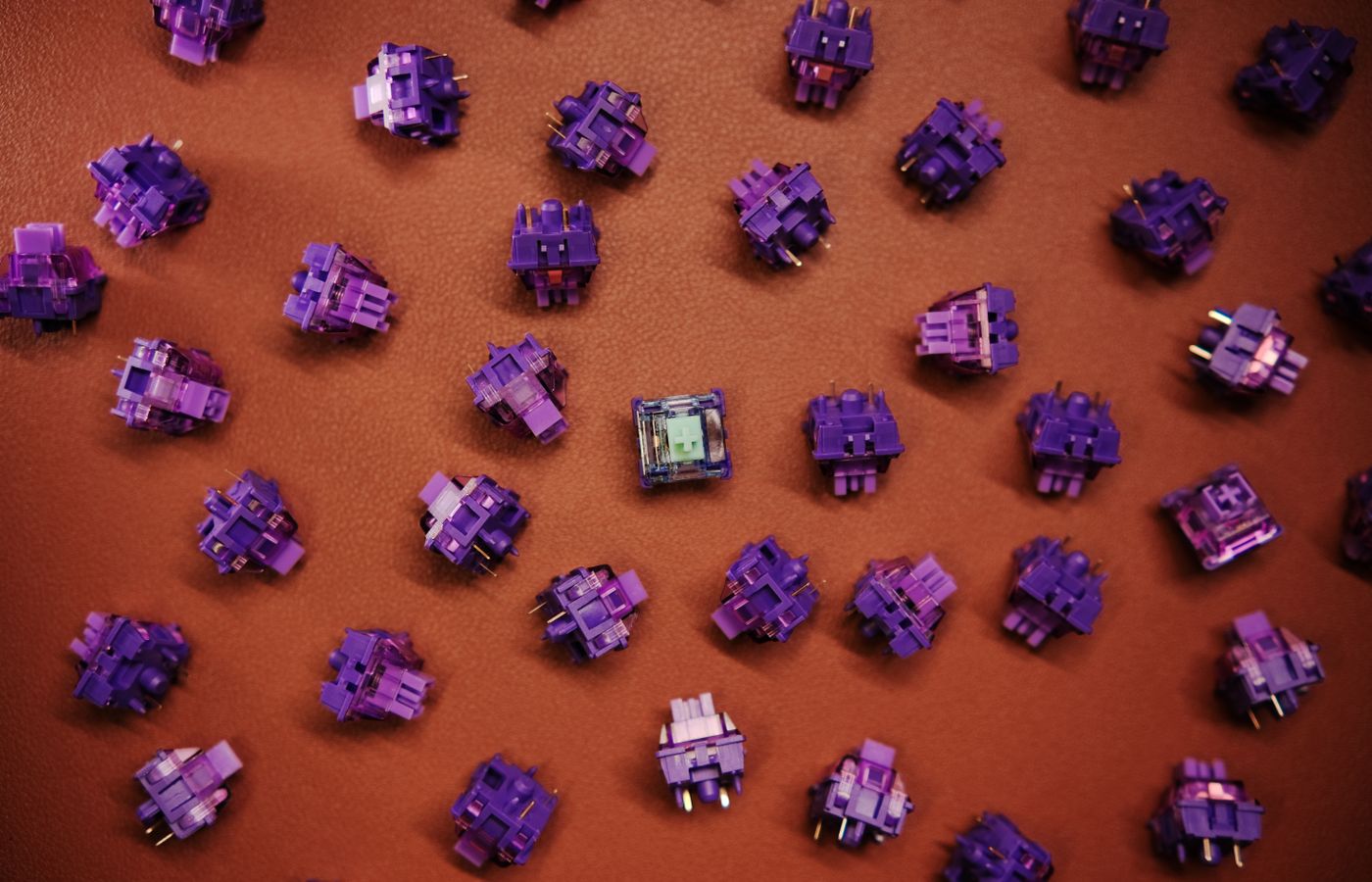
Gateron Optical Yellow (KS-15)
The Gateron Optical Yellow is the sweet spot of the optical world: a smooth 35g linear that feels featherlight for rapid tapping, with light-beam actuation that removes contact-bounce delay and a 100-million-keystroke rating that badly outlasts typical metal-contact switches. Gateron's optical line is also the most widely supported by third-party optical hot-swap boards, so you are not locked to one keyboard brand the way you are with Razer. The honest con is compatibility: these fit only Gateron-style optical sockets, so if your keyboard is a standard MX hot-swap board they simply will not work, and 35g is light enough that heavy-handed typists will bottom out and trigger accidental presses. Stock lube is also minimal, so there can be slight spring ping until they break in. For a fast, durable, well-supported optical switch, it is the pick.
View on Amazon Editorial illustration.Optical switches actuate with a light beam instead of a metal contact, so there is no physical debounce delay and nothing to wear out from arcing. That makes them a real pick for players chasing the lowest possible input lag and the longest lifespan. The catch that trips up most first-time buyers: an optical switch only works in a board built with an optical PCB, so you cannot drop these into a normal MX hot-swap keyboard. This is for owners of an optical hot-swap board who want a fast, durable switch. Here is the widely-supported pick, clear and heavier options, and the compatibility rule.
How do the best options for optical switches compare?
| Pick | Product | Why it makes the list |
|---|---|---|
| Top pick | Gateron Optical Yellow (KS-15) | The Gateron Optical Yellow is the sweet spot of the optical world: a smooth 35g linear that feels featherlight for rapid tapping, with light-beam actuation that removes contact-bounce delay and a 100-million-keystroke rating that badly outlasts typical metal-contact switches. |
| Clear housing for RGB | Gateron Optical Yellow (Clear Top) | A clear housing throws RGB better and it is the same fast 35g linear. It is essentially the same switch as the top pick, so choose on price and pack size, not feel. |
| Larger RGB set | Tezarre Gateron Optical Yellow (RGB) | Often sold in larger counts with a puller for a full build. Third-party packaging quality control is less consistent than the Gateron-branded listings. |
| Heavier feel | Gateron Optical Black | A heavier linear that resists accidental presses better than the Yellow. It is still optical-only, and the extra weight slows the rapid double-taps optical buyers usually want. |
What should you look for in optical switches?
A few things separate a good optical switches from a frustrating one: light-beam actuation, compatibility is rule number one, brands do not mix either, and weight. Weigh these before you buy.
- Light-beam actuation: there is no contact bounce and the switch cannot arc-wear, so expect 100-million-keystroke ratings.
- Compatibility is rule number one: optical switches fit ONLY optical hot-swap PCBs (Gateron or Razer optical), never standard MX sockets, so confirm your board says optical before buying.
- Brands do not mix either: a Gateron optical switch will not actuate in a Razer or Kailh optical board, so match the switch brand to your board's optical system.
- Weight: Optical Yellow at 35g is fast but light, so if you type heavily, size up to Optical Black or a heavier optical spring.
Why optical switches are a board decision, not just a switch decision
Optical switches sound like a simple upgrade, faster and longer-lasting than normal switches, and both of those claims are true, but the reason they trip people up is that buying them is really a decision about your keyboard, not just about the switch. A conventional mechanical switch registers a press when two little metal leaves physically touch and complete a circuit, and that contact both introduces a tiny electrical bounce that firmware has to filter and slowly wears out from the microscopic arcing every time it opens and closes. An optical switch does away with the metal contact entirely: pressing the key moves a shutter that lets an infrared light beam reach a sensor, so actuation is registered by light. Because there is no contact to bounce, there is no debounce delay, which is where the speed advantage comes from, and because nothing physically arcs or wears at the contact point, the switches are rated for far more keystrokes, often 100 million, which is the durability advantage. The catch is that reading a light beam requires the sensor and light source to be built into the printed circuit board itself, so an optical switch only works in a keyboard whose PCB was designed for optical switches, and it will not seat or actuate in a standard MX hot-swap board no matter how similar the switches look. Worse, the optical systems are not standardized across brands, so a Gateron optical switch will not work in a Razer or Kailh optical board and vice versa. That makes the buying rule strict and simple: first confirm your keyboard has an optical PCB and which brand of optical system it uses, then buy only switches for that exact system. If your board is a normal MX board, optical switches are simply not an option for it, and that is the number one thing to check before you order.
What are the best alternatives?
Gateron Optical Yellow (Clear Top)
A clear housing throws RGB better and it is the same fast 35g linear. It is essentially the same switch as the top pick, so choose on price and pack size, not feel.
View on AmazonTezarre Gateron Optical Yellow (RGB)
Often sold in larger counts with a puller for a full build. Third-party packaging quality control is less consistent than the Gateron-branded listings.
View on AmazonGateron Optical Black
A heavier linear that resists accidental presses better than the Yellow. It is still optical-only, and the extra weight slows the rapid double-taps optical buyers usually want.
View on AmazonBottom line: Gateron Optical Yellow is the fast, durable, widely-supported optical pick, the clear-top version helps RGB, and Optical Black adds weight. Just be certain your board has an optical PCB, since these will not fit MX sockets. Compare it with our low-profile switch guide and our silent linear switch guide.
Frequently asked questions
What are the best optical switches?
Gateron Optical Yellow (KS-15). The Gateron Optical Yellow is the sweet spot of the optical world: a smooth 35g linear that feels featherlight for rapid tapping, with light-beam actuation that removes contact-bounce delay and a 100-million-keystroke rating that badly outlasts typical metal-contact switches.
What should you look for in optical switches?
Focus on light-beam actuation, compatibility is rule number one, brands do not mix either, and weight.
What is a good alternative to the Gateron Optical Yellow (KS-15)?
The Gateron Optical Yellow (Clear Top). A clear housing throws RGB better and it is the same fast 35g linear. It is essentially the same switch as the top pick, so choose on price and pack size, not feel.
Related buying guides
- Airbrush for Miniature Painting
- SD Card for the Anbernic RG35XX
- Foam Inserts for Wingspan
- Wet Palette for Miniature Painting
- Lube for Linear Switches
This is a research-based buying guide, not a personal hands-on review. Product details, prices, and availability can change; confirm the current listing on Amazon. As an Amazon Associate I earn from qualifying purchases. Amazon and the Amazon logo are trademarks of Amazon.com, Inc. or its affiliates.
← More Guides: M–R · All guides · How we research · About · Affiliate Disclosure · Privacy Policy · Contact