The Best Polymer Clay
 Researched by Johnny Alto · Published July 29, 2026
Short answer: The best polymer clay is the Sculpey Premo, 24-Color Sampler (Oven-Bake, 1.5 lb). Premo is the best all-around balance for jewelry and general work: a medium firmness that conditions without destroying your hands, holds fine detail, and cures notably strong and slightly flexible, so thin earrings and pieces resist snapping. The main things to weigh are firmness / conditioning tradeoff, bake temperature is brand-specific, post-cure strength, and ventilation and safety.
Top pickSculpey Premo, 24-Color Sampler (Oven-Bake, 1.5 lb)View offer →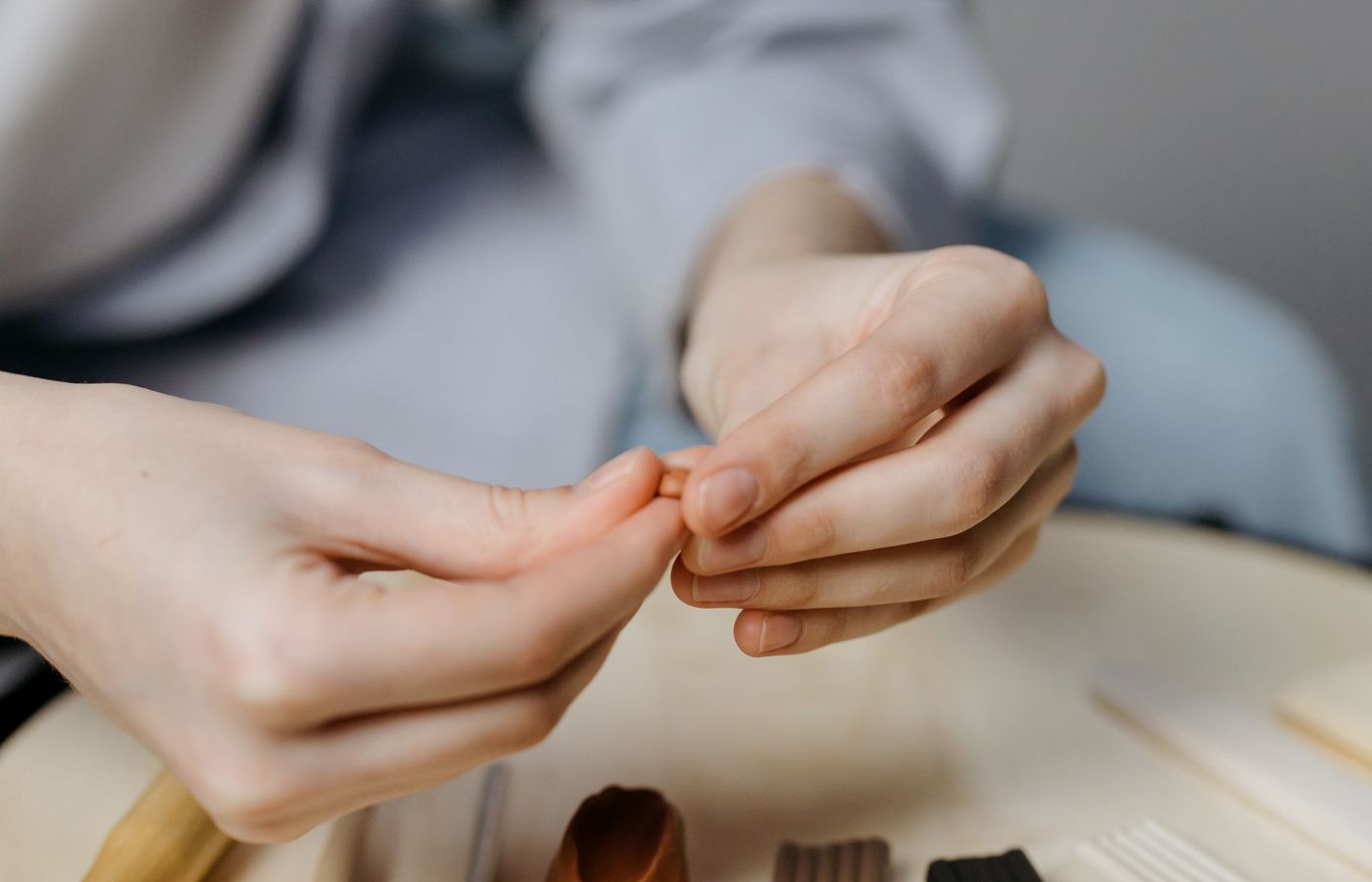
Sculpey Premo, 24-Color Sampler (Oven-Bake, 1.5 lb)
Premo is the best all-around balance for jewelry and general work: a medium firmness that conditions without destroying your hands, holds fine detail, and cures notably strong and slightly flexible, so thin earrings and pieces resist snapping. The 24-color sampler is a practical way to get a full working palette at once. The honest limits: it is firmer and needs more conditioning than beginner-soft clays like Sculpey III, and for the most demanding caning or faux-stone work dedicated pros still reach for Kato or Fimo Professional. Bake per the package (Premo cures around 275F) and ventilate the room, since polymer clay releases irritating fumes if overheated or burned, so never exceed the temp and use an oven thermometer.
View on Amazon Editorial illustration.Oven-bake polymer clay is used for two very different jobs, soft-hand crafting and beginners versus strong, detail-holding jewelry, miniatures, and caning, and the best brand flips depending on which you are doing and how strong your hands are. Firmer pro clays hold fine detail and cure much stronger but need real conditioning effort, while softer clays are friendlier but more brittle after baking. This is for choosing a first serious clay or upgrading for durable pieces. Here is the all-around pick, a pro option for caning, and the bake and safety rules.
How do the best options for polymer clay compare?
| Pick | Product | Why it makes the list |
|---|---|---|
| Top pick | Sculpey Premo, 24-Color Sampler (Oven-Bake, 1.5 lb) | Premo is the best all-around balance for jewelry and general work: a medium firmness that conditions without destroying your hands, holds fine detail, and cures notably strong and slightly flexible, so thin earrings and pieces resist snapping. |
| Strongest / best for caning | Kato Polyclay 4-Color Set (Van Aken) | Very firm and extremely strong after curing, the top choice for crisp canes and detail that will not blur. It has a strong plastic smell, is hard on the hands, and bakes hotter (~300F), so it does not mix well with other brands' bake temps. |
| Detail work, pro-grade | Staedtler Fimo Professional "True Colours" (6 x 57g) | Dimensionally stable, holds filigree detail, and built around a proper color-mixing system. It is firm and stiff to condition, a bad pick for weak hands, and not quite Kato-level for the hardest caning. |
| Beginner-soft / cheapest | Sculpey III Classics (10 x 1oz) | Very soft, almost no conditioning needed, cheap and forgiving for kids and first projects. It is brittle after baking, so thin pieces snap easily, making it poor for durable jewelry. |
What should you look for in polymer clay?
A few things separate a good polymer clay from a frustrating one: firmness / conditioning tradeoff, bake temperature is brand-specific, post-cure strength, and ventilation and safety. Weigh these before you buy.
- Firmness / conditioning tradeoff: Sculpey III is softest and easiest but weakest; Premo is medium and best all-round; Kato and Fimo Professional are firmest and strongest but hardest to condition.
- Bake temperature is brand-specific: Sculpey Premo/III around 275F, Fimo around 230F, Kato around 300F. Always use the package temp and an oven thermometer, since underbaking causes brittleness and overbaking causes scorching and fumes.
- Post-cure strength: Kato and Premo are the durable choices for jewelry and miniatures; avoid Sculpey III for thin, load-bearing pieces.
- Ventilation and safety: bake in a well-ventilated room, never above the rated temp, since scorched clay gives off irritating fumes; many crafters dedicate a toaster oven to clay rather than using the food oven.
Match the clay to the job and mind the bake
There is no single best polymer clay, because the property that makes a clay great for one job makes it worse for another. Soft clays like Sculpey III need almost no conditioning and are wonderful for kids and quick projects, but they cure brittle, so a thin earring or a slender miniature limb snaps easily. Firm pro clays like Kato and Fimo Professional take real effort to condition (and are unkind to weak hands), but they hold crisp detail and cure hard and strong, which is exactly what caning and durable jewelry demand. Premo sits in the middle and is why it is the usual recommendation: strong enough for real pieces, soft enough that conditioning does not wreck your hands. Whatever you pick, the bake is where projects live or die. Each brand has its own curing temperature, and they differ enough that mixing brands in one bake is risky, so use the package temperature and verify it with a separate oven thermometer, because ovens lie. Underbaking leaves pieces brittle; overbaking scorches the clay and releases genuinely irritating fumes, so bake in a ventilated room and consider a dedicated toaster oven rather than the one you cook food in.
What are the best alternatives?
Kato Polyclay 4-Color Set (Van Aken)
Very firm and extremely strong after curing, the top choice for crisp canes and detail that will not blur. It has a strong plastic smell, is hard on the hands, and bakes hotter (~300F), so it does not mix well with other brands' bake temps.
View on AmazonStaedtler Fimo Professional "True Colours" (6 x 57g)
Dimensionally stable, holds filigree detail, and built around a proper color-mixing system. It is firm and stiff to condition, a bad pick for weak hands, and not quite Kato-level for the hardest caning.
View on AmazonSculpey III Classics (10 x 1oz)
Very soft, almost no conditioning needed, cheap and forgiving for kids and first projects. It is brittle after baking, so thin pieces snap easily, making it poor for durable jewelry.
View on AmazonBottom line: Sculpey Premo is the strong, medium-firm all-rounder for jewelry and general work; step to Kato or Fimo Professional for the crispest caning, or Sculpey III to learn on. Bake at the brand's exact temp, ventilated. Pair it with our gouache and craft guides.
Frequently asked questions
What is the best polymer clay?
Sculpey Premo, 24-Color Sampler (Oven-Bake, 1.5 lb). Premo is the best all-around balance for jewelry and general work: a medium firmness that conditions without destroying your hands, holds fine detail, and cures notably strong and slightly flexible, so thin earrings and pieces resist snapping.
What should you look for in polymer clay?
Focus on firmness / conditioning tradeoff, bake temperature is brand-specific, post-cure strength, and ventilation and safety.
What is a good alternative to the Sculpey Premo, 24-Color Sampler (Oven-Bake, 1.5 lb)?
The Kato Polyclay 4-Color Set (Van Aken). Very firm and extremely strong after curing, the top choice for crisp canes and detail that will not blur. It has a strong plastic smell, is hard on the hands, and bakes hotter (~300F), so it does not mix well with other brands' bake temps.
Related buying guides
- Pasta Machine for Polymer Clay
- Clay Extruder for Polymer Clay
- Kiln for Enameling Jewelry at Home
- Trimming Tools for Pottery Beginners
- Underglaze Pencils for Pottery
This is a research-based buying guide, not a personal hands-on review. Product details, prices, and availability can change; confirm the current listing on Amazon. As an Amazon Associate I earn from qualifying purchases. Amazon and the Amazon logo are trademarks of Amazon.com, Inc. or its affiliates.
← More Crafts & Making · All guides · How we research · About · Affiliate Disclosure · Privacy Policy · Contact