The Best Sashiko Needles for Hand Stitching
Researched by Johnny Alto · last updated July 28, 2026
Short answer: The best sashiko needles for hand stitching are the Tulip Long Sashiko Needles, Assorted (Tube of 6). Tulip's Hiroshima-made needles are the benchmark for sashiko: they are polished lengthwise so they glide through layered cotton with almost no drag, the points are sharp enough to pierce cleanly, and the large eye actually accepts thick sashiko thread without fraying. The main things to weigh are length, eye size is make-or-break, thickness, and polish.
Tulip Long Sashiko Needles, Assorted (Tube of 6)
Tulip's Hiroshima-made needles are the benchmark for sashiko: they are polished lengthwise so they glide through layered cotton with almost no drag, the points are sharp enough to pierce cleanly, and the large eye actually accepts thick sashiko thread without fraying. The long assorted tube gives a range so you can load many stitches on the longer needles for fast running-stitch lines or switch to a shorter one for curves. The honest limits: they are noticeably pricier than generic sets, the extra-long needles have a learning curve until you get the rocking-and-loading motion, and thin Japanese needles will bend or snap if forced through very dense denim or many layers.
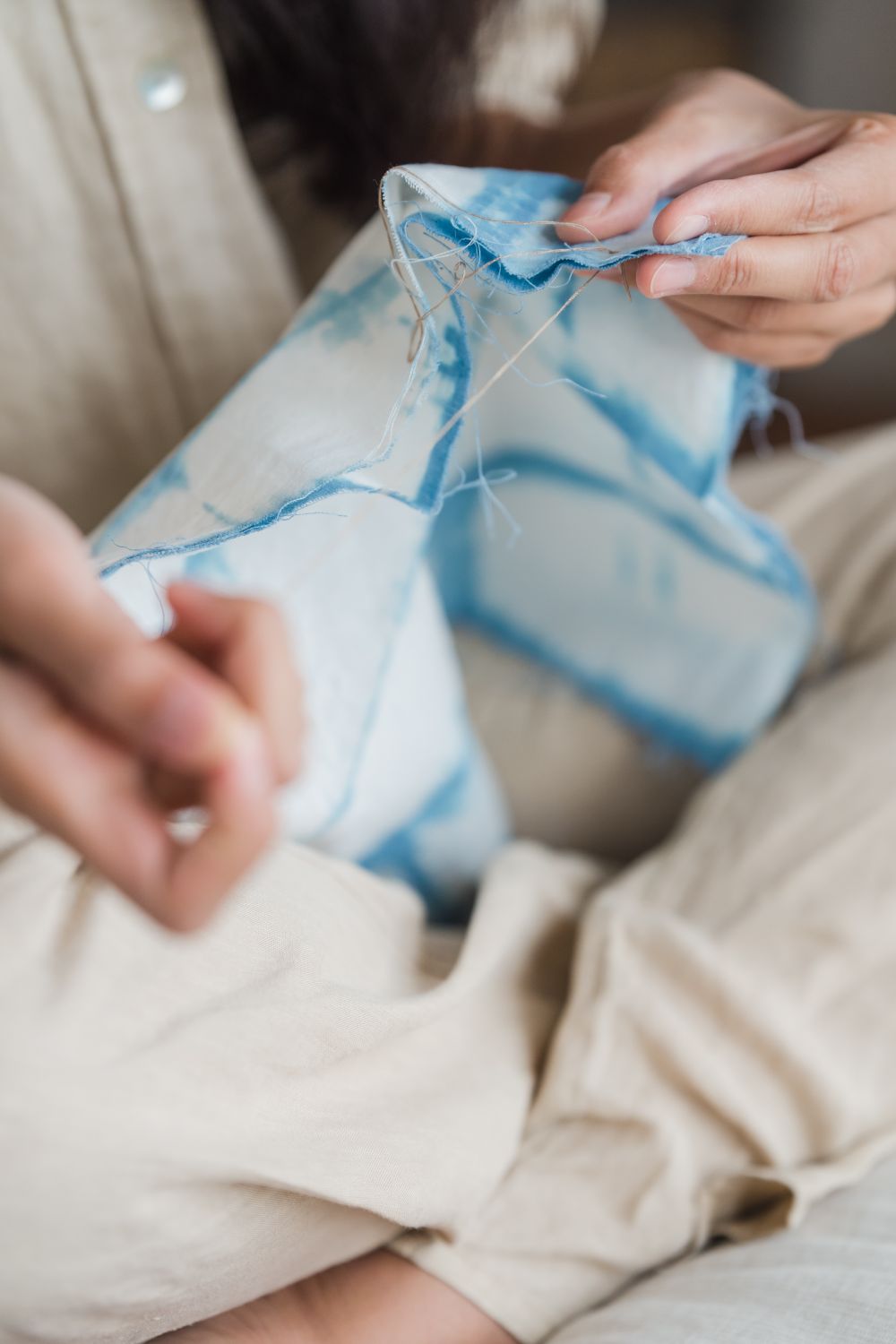
Check price on Amazon Live price on Amazon. Representative image.Sashiko's signature even running stitch depends on a long, rigid needle you can load with multiple stitches at once before pulling through, and a regular sewing or embroidery needle is too short with an eye too small for thick sashiko thread. The right needle glides through layered cotton, threads easily with heavy thread, and stays straight enough to keep stitches uniform. This is for hand-stitchers doing sashiko, boro, and visible mending. Here is the pick, an easy-thread alternative, and what to check.
How do the best options for sashiko needles for hand stitching compare?
| Pick | Product | Why it makes the list |
|---|---|---|
| Top pick | Tulip Long Sashiko Needles, Assorted (Tube of 6) | Tulip's Hiroshima-made needles are the benchmark for sashiko: they are polished lengthwise so they glide through layered cotton with almost no drag, the points are sharp enough to pierce cleanly, and the large eye actually accepts thick sashiko thread without fraying. |
| Best easy-threading | Olympus Sashiko Needles, 4-Pack Assorted (Gold Eye) | The gold eye is even larger and easier to thread than Tulip, with four distinct lengths. The polish and glide are slightly less refined, and some find the metal a touch softer. |
| Best for small stitches | Tulip Sashiko Needles, Short Assortment | The same Tulip quality in shorter lengths for better control on small stitches and tight motifs. You cannot load as many stitches per pass, so long straight lines are slower. |
| Best minimal / budget | Olympus Sashiko Needles, 2-Pack | A cheap way to get one long and one short quality needle. Only two needles and two sizes, so no real range. |
What should you look for in sashiko needles for hand stitching?
A few things separate a good sashiko needles for hand stitching from a frustrating one: length, eye size is make-or-break, thickness, and polish. Weigh these before you buy.
- Length: long needles (about 50 to 67mm) let you load several stitches per pass for fast straight lines; short needles (about 40 to 45mm) give control on curves, so an assorted set covers both.
- Eye size is make-or-break: sashiko thread is thick, so you need a large eye (Tulip's big eye or Olympus's gold eye) or threading is miserable.
- Thickness: about 0.8 to 1.0mm shafts balance rigidity against leaving a small hole; thinner needles bend in dense fabric, thicker ones leave visible holes in fine cotton.
- Polish: Hiroshima-polished needles glide with least drag and resist rusting, which is what you pay more for.
Why sashiko needs a special needle
Sashiko is a running stitch, and its clean, even look comes from a technique regular sewing needles cannot do: you load several stitches onto a long, rigid needle at once, then pull the thread through in one pass, which keeps the stitches uniform. A short sewing needle only holds a stitch or two and its small eye cannot take thick sashiko thread without shredding it. So the needle has to be long enough to load multiple stitches, stiff enough to stay straight through layered cotton, and have an eye big enough for heavy thread. A polished needle also matters, since it glides with far less drag. Get an assorted set so you have long needles for straight lines and shorter ones for curves.
What are the best alternatives?
Olympus Sashiko Needles, 4-Pack Assorted (Gold Eye)
The gold eye is even larger and easier to thread than Tulip, with four distinct lengths. The polish and glide are slightly less refined, and some find the metal a touch softer.
Check price on AmazonTulip Sashiko Needles, Short Assortment
The same Tulip quality in shorter lengths for better control on small stitches and tight motifs. You cannot load as many stitches per pass, so long straight lines are slower.
Check price on AmazonOlympus Sashiko Needles, 2-Pack
A cheap way to get one long and one short quality needle. Only two needles and two sizes, so no real range.
Check price on AmazonBottom line: the Tulip long assorted needles are the polished, glide-easily benchmark for sashiko; go Olympus for the easiest-threading gold eye, or the short Tulip set for detailed motifs. Length and eye size are the specs that matter. Pair it with our cord craft and fiber guides.
Frequently asked questions
What are the best sashiko needles for hand stitching?
Tulip Long Sashiko Needles, Assorted (Tube of 6). Tulip's Hiroshima-made needles are the benchmark for sashiko: they are polished lengthwise so they glide through layered cotton with almost no drag, the points are sharp enough to pierce cleanly, and the large eye actually accepts thick sashiko thread without fraying.
What should you look for in sashiko needles for hand stitching?
Focus on length, eye size is make-or-break, thickness, and polish.
What is a good alternative to the Tulip Long Sashiko Needles, Assorted (Tube of 6)?
The Olympus Sashiko Needles, 4-Pack Assorted (Gold Eye). The gold eye is even larger and easier to thread than Tulip, with four distinct lengths. The polish and glide are slightly less refined, and some find the metal a touch softer.
Related buying guides
- Air Purifier for Allergies
- Air Purifier for Pets
- Air Purifier for Mold
- Air Purifier for a Bedroom
- Air Purifier for Smoke
This is a research-based buying guide, not a personal hands-on review; recommendations reflect community consensus and verified buyer reviews. Prices and availability are subject to change, so always confirm on Amazon. As an Amazon Associate I earn from qualifying purchases. Amazon and the Amazon logo are trademarks of Amazon.com, Inc. or its affiliates.
← All guides · How we research · About · Affiliate Disclosure · Privacy Policy · Contact