The Best Substrate for a Planted Tank
 Researched by Johnny Alto · Published July 22, 2026
Short answer: The best substrate for a planted tank is the Fluval Plant and Shrimp Stratum. For most hobbyists building a planted tank, Fluval Stratum is the best balance of nutrients, gentle pH buffering, and shrimp safety, which is why it is the default recommendation in aquascaping circles. The main things to weigh are active vs inert, ph direction, ammonia leaching, and grain stability.
Top pickFluval Plant and Shrimp StratumView offer →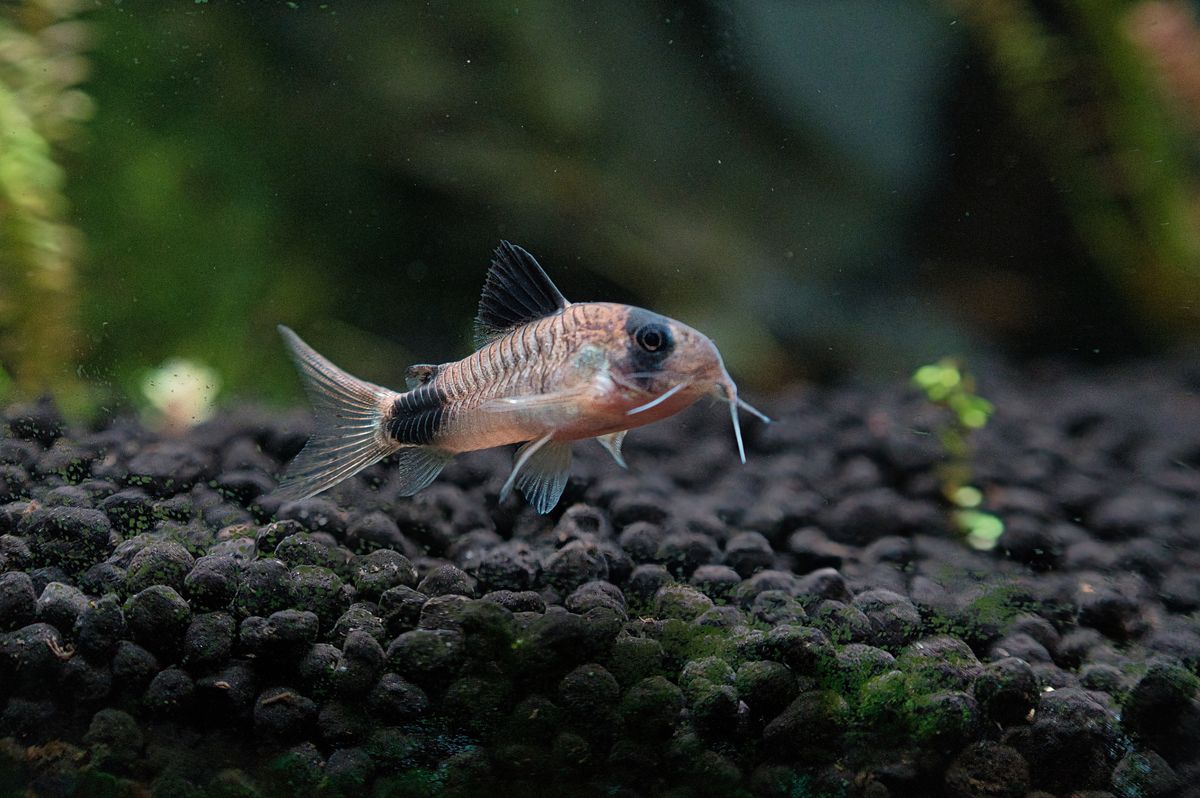
Fluval Plant and Shrimp Stratum
For most hobbyists building a planted tank, Fluval Stratum is the best balance of nutrients, gentle pH buffering, and shrimp safety, which is why it is the default recommendation in aquascaping circles. It is a lightweight, porous volcanic soil that plant roots grip easily and that seeds beneficial nitrifying bacteria quickly. It nudges water toward a neutral to slightly acidic pH that suits most plants and shrimp. Honest caveats: it is an active substrate, so it releases some ammonia early and the tank needs a proper cycle of roughly 2 to 4 weeks before adding livestock. The granules are soft and light, so tall or heavy plants can float free until rooted, and like all active soils it slowly exhausts and breaks down over a couple of years.
View on Amazon Editorial illustration.Substrate is the foundation of a planted tank, and the core choice is active soil versus inert. Active soils feed plant roots and nudge the water toward a plant-friendly pH, but they leach ammonia early and need the tank to cycle before you add livestock. Inert substrates like clay gravel never break down and never change pH, but they add no nutrients, so root feeders need root tabs. Match the substrate's pH direction to the fish and shrimp you plan to keep, and remember lighter soils let plants float until rooted while heavier gravel anchors them.
How do the best options for substrate for a planted tank compare?
| Pick | Product | Why it makes the list |
|---|---|---|
| Top pick | Fluval Plant and Shrimp Stratum | For most hobbyists building a planted tank, Fluval Stratum is the best balance of nutrients, gentle pH buffering, and shrimp safety, which is why it is the default recommendation in aquascaping circles. |
| Inert permanent | Seachem Flourite Black | A stable porous clay gravel that never breaks down and does not alter pH, so it lasts the life of the tank with no re-scaping to replace it. Because it is inert it adds no water-column or root nutrition on its own, so root feeders need root tabs, and it needs a thorough rinse to clear the initial dust. |
| Active value | UNS Controsoil Black | A volcanic aqua soil that buffers to around 6.8 pH and leaches milder ammonia than aggressive soils, allowing relatively faster stocking, and it is well regarded as a value alternative to premium aqua soils. It is still an active substrate, so it needs cycling up front and will deplete and soften over time. |
What should you look for in substrate for a planted tank?
A few things separate a good substrate for a planted tank from a frustrating one: active vs inert, ph direction, ammonia leaching, and grain stability. Weigh these before you buy.
- Active vs inert: active soils feed plants and lower pH but need cycling, inert lasts forever but needs root tabs.
- pH direction: match the substrate buffering to the fish and shrimp you plan to keep.
- Ammonia leaching: milder soils let you stock sooner, heavy leachers need weeks of water changes.
- Grain stability: lighter soils let plants float, heavier clay gravel anchors roots better.
How the picks compare on specs
| Spec | Fluval Stratum (pick) | Seachem Flourite Black | UNS Controsoil |
|---|---|---|---|
| Type | Active volcanic soil | Inert clay gravel | Active volcanic soil |
| pH effect | Neutral to slightly acidic | No change | Buffers ~6.8 |
| Needs cycling | Yes | No | Yes |
| Root nutrients | Yes | No (add root tabs) | Yes |
What are the best alternatives?
Seachem Flourite Black
A stable porous clay gravel that never breaks down and does not alter pH, so it lasts the life of the tank with no re-scaping to replace it. Because it is inert it adds no water-column or root nutrition on its own, so root feeders need root tabs, and it needs a thorough rinse to clear the initial dust.
View on AmazonUNS Controsoil Black
A volcanic aqua soil that buffers to around 6.8 pH and leaches milder ammonia than aggressive soils, allowing relatively faster stocking, and it is well regarded as a value alternative to premium aqua soils. It is still an active substrate, so it needs cycling up front and will deplete and soften over time.
View on AmazonBottom line: Fluval Stratum is the do-it-all active soil most planted tanks should start with; Seachem Flourite Black is the inert buy-it-once option, and UNS Controsoil is the active value pick. Active soils need cycling before livestock.
Frequently asked questions
What is the best substrate for a planted tank?
Fluval Plant and Shrimp Stratum. For most hobbyists building a planted tank, Fluval Stratum is the best balance of nutrients, gentle pH buffering, and shrimp safety, which is why it is the default recommendation in aquascaping circles.
What should you look for in substrate for a planted tank?
Focus on active vs inert, ph direction, ammonia leaching, and grain stability.
What is a good alternative to the Fluval Plant and Shrimp Stratum?
The Seachem Flourite Black. A stable porous clay gravel that never breaks down and does not alter pH, so it lasts the life of the tank with no re-scaping to replace it. Because it is inert it adds no water-column or root nutrition on its own, so root feeders need root tabs, and it needs a thorough rinse to clear the initial dust.
Related buying guides
- Root Tabs for a Dirted Planted Tank
- Heater for a 5-Gallon Betta Tank
- Low-Flow Filter for an Axolotl Tank
- Remineralizer for Caridina Shrimp
- Fry-Safe Sponge Filter for a Shrimp Tank
This is a research-based buying guide, not a personal hands-on review. Product details, prices, and availability can change; confirm the current listing on Amazon. As an Amazon Associate I earn from qualifying purchases. Amazon and the Amazon logo are trademarks of Amazon.com, Inc. or its affiliates.
← More Garden & Plants · All guides · How we research · About · Affiliate Disclosure · Privacy Policy · Contact