Focusrite Scarlett 2i2 (4th Gen)
The 2i2 is the default beginner interface for good reason: two combo XLR inputs with switchable 48V phantom power, USB-C.
View on Amazon → Researched by Johnny Alto · Updated October 12, 2026
Short answer: Our top pick is the Focusrite Scarlett 2i2 (4th Gen). The 2i2 is the default beginner interface for good reason: two combo XLR inputs with switchable 48V phantom power, USB-C bus power so there is no.
Top pickFocusrite Scarlett 2i2 (4th Gen)View offer →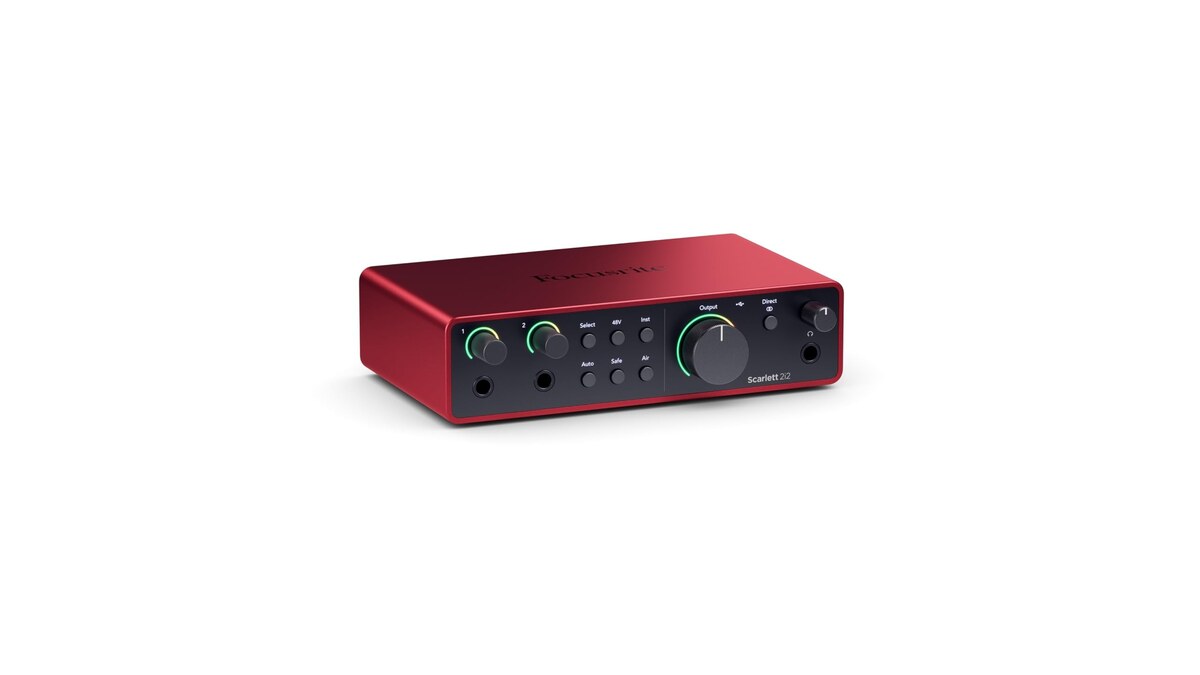
The 2i2 is the default beginner interface for good reason: two combo XLR inputs with switchable 48V phantom power, USB-C bus power so there is no wall wart, a proper monitor-mix knob for.
The moment a creator outgrows a USB mic, the next question is always how to use a real XLR mic. The answer is an audio interface: a small box that gives you an XLR input, phantom power for condenser mics, a real headphone jack for zero-latency monitoring, and better preamps than any USB mic has inside it. This guide is for the beginner making exactly that jump from USB to XLR who wants one box that just works with a little room to grow. Here is the default pick, the single-input option, and the budget way in.
The 2i2 is the default beginner interface for good reason: two combo XLR inputs with switchable 48V phantom power, USB-C.
View on Amazon →The same 4th-gen preamp quality, USB-C bus power, and standalone mode for less if you only need one XLR mic plus maybe a.
View on Amazon →Two XLR inputs with 48V phantom power and Midas-designed preamps at the lowest price of the group, a legitimately good value.
View on Amazon →Two combo inputs, 48V, USB-C, class-leading converters, and full-color LCD metering that make it measurably cleaner than.
View on Amazon →A few things separate a good audio interface for beginners from a frustrating one: number of xlr inputs, 48v phantom power is non-negotiable for condensers, usb-c and bus power, and direct monitoring and the honest part on sound. Weigh these before you buy.
An audio interface is the bridge from the plug-and-play USB mic world to the world of XLR microphones that most serious voice and podcast setups use, and understanding what it actually does keeps you from both skipping it and overspending on it. A USB mic has a tiny interface built inside it; a standalone XLR mic does not, so it needs an external box to do four jobs: supply the microphone with power, amplify its very quiet signal with a preamp, convert that analog signal to digital for your computer, and let you hear yourself through headphones without the delay that makes you stumble over your words. Every interface on this list does all four competently, which leads to the part beginners get wrong: they shop for preamp and converter quality as if it were the deciding factor, when for spoken word it simply is not audible at sane levels. The clean, quiet preamps in an entry Focusrite are already better than you will ever hear on a podcast, so paying extra for measurably cleaner converters buys numbers you will not perceive. What actually matters for a beginner is more practical. First, how many XLR inputs you need: one is plenty for a solo voice, but if there is any chance of a co-host, a two-input box now is far cheaper than replacing a one-input box later. Second, that it has 48-volt phantom power, which any condenser mic requires to function at all. Third, driver reliability, because the difference between a good day and a frustrating one is whether the interface stays connected and glitch-free, and this is exactly where the popular Focusrite reputation is earned. And fourth, beginner safety features like automatic gain-setting and clip protection, which quietly prevent the two most common new-recordist mistakes. Buy for those, and treat the preamp-sound debate as noise.
The same 4th-gen preamp quality, USB-C bus power, and standalone mode for less if you only need one XLR mic plus maybe a guitar input. It has only one XLR input, so it cannot record two people, and there is no going to two channels without buying up.
View on AmazonTwo XLR inputs with 48V phantom power and Midas-designed preamps at the lowest price of the group, a legitimately good value. It is micro-USB rather than USB-C and its drivers are not as polished or as reliably updated as Focusrite's, so it is slightly more fiddly for a first-timer.
View on AmazonTwo combo inputs, 48V, USB-C, class-leading converters, and full-color LCD metering that make it measurably cleaner than the Scarlett. It costs more than the 2i2 and is frequently out of stock or price-inflated, so availability is the real catch.
View on AmazonBottom line: the Focusrite Scarlett 2i2 is the reliable, beginner-friendly default with room for a co-host, the Solo is the cheaper single-mic pick, and the Behringer is the budget entry. For spoken word, choose on inputs and reliability, not preamp sound. Compare it with our USB microphone guide and our mic boom arm guide.
Focusrite Scarlett 2i2 (4th Gen). The 2i2 is the default beginner interface for good reason: two combo XLR inputs with switchable 48V phantom power, USB-C bus power so there is no wall wart, a proper monitor-mix knob for zero-latency direct monitoring, and 4th-gen preamps that are clean and quiet at this price.
Focus on number of xlr inputs, 48v phantom power is non-negotiable for condensers, usb-c and bus power, and direct monitoring and the honest part on sound.
The Focusrite Scarlett Solo (4th Gen). The same 4th-gen preamp quality, USB-C bus power, and standalone mode for less if you only need one XLR mic plus maybe a guitar input. It has only one XLR input, so it cannot record two people, and there is no going to two channels without buying up.
This is a research-based buying guide, not a personal hands-on review. Product details, prices, and availability can change; confirm the current listing on Amazon. As an Amazon Associate I earn from qualifying purchases. Amazon and the Amazon logo are trademarks of Amazon.com, Inc. or its affiliates.
← More Music & Audio · All guides · How we research · About · Affiliate Disclosure · Privacy Policy · Contact