Streamlight ProTac 90 (multi-fuel, 300lm)
The single most important spec for a car light is heat tolerance, and the ProTac 90's multi-fuel design is why it wins: it.
View on Amazon → Researched by Johnny Alto · Updated October 12, 2026
Short answer: Our top pick is the Streamlight ProTac 90 (multi-fuel, 300lm). The single most important spec for a car light is heat tolerance, and the ProTac 90's multi-fuel design is why it wins: it runs on a common CR123A.
Top pickStreamlight ProTac 90 (multi-fuel, 300lm)View offer →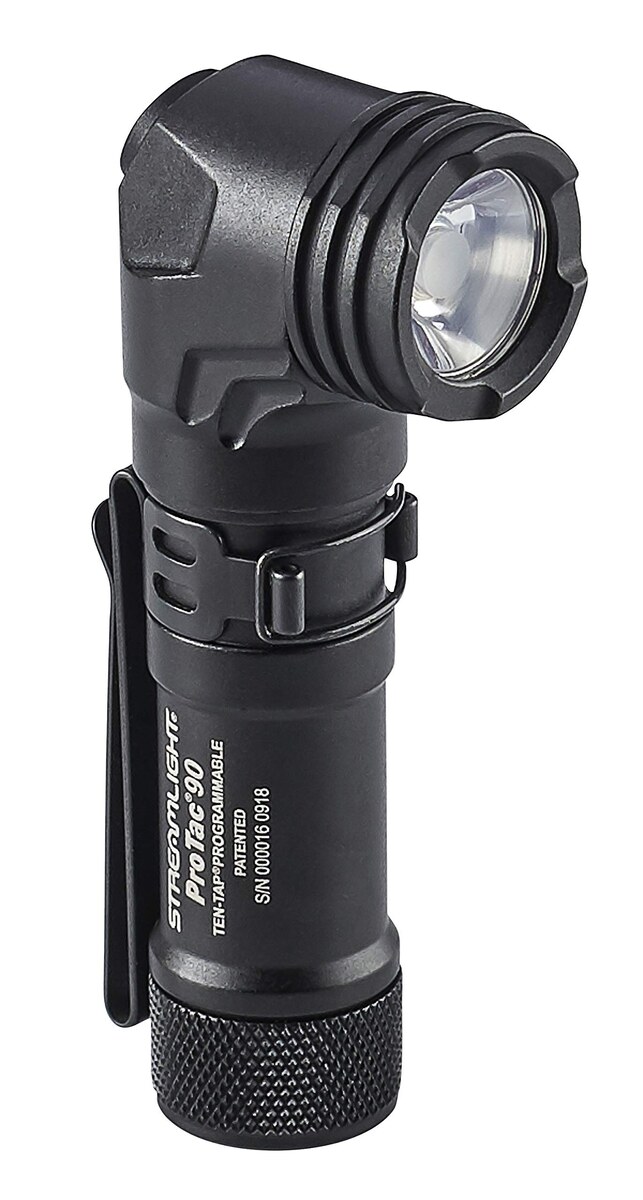
The single most important spec for a car light is heat tolerance, and the ProTac 90's multi-fuel design is why it wins: it runs on a common CR123A lithium primary or a standard AA, so you.
A car light lives in a brutal environment: summer heat that can push a glovebox past 140F, winter cold, and months of neglect between uses. That combination is exactly what kills sealed lithium-ion rechargeables, so the smart car light is often not the fanciest rechargeable but a rugged multi-fuel light that runs on batteries you can always buy. This is for the driver who wants a light that actually works when they open the door at the roadside a year from now, ideally with an escape tool in reach. Here is the heat-tolerant pick, the multi-fuel options, and the escape-tool point.
The single most important spec for a car light is heat tolerance, and the ProTac 90's multi-fuel design is why it wins: it.
View on Amazon →1000 lumens and multi-fuel, running two CR123A primaries or a rechargeable pack.
View on Amazon →Runs on ubiquitous AAs, is IPX8, and is cheap enough to leave in every vehicle.
View on Amazon →Purpose-built with a spring-loaded glass breaker and seatbelt blade.
View on Amazon →A few things separate a good flashlight to keep in your car from a frustrating one: heat is the deciding factor, cr123a lithium primaries, keep it reachable, and prioritize toughness. Weigh these before you buy.
It feels counterintuitive, but the bright rechargeable flashlight that is perfect on your desk is often a poor choice for the car, and the reason is temperature. A parked car is a temperature torture chamber: a closed cabin in summer sun routinely exceeds 140 degrees Fahrenheit, gloveboxes get even hotter, and winter drops the other direction, and lithium-ion rechargeable cells hate exactly that. Heat permanently degrades a li-ion cell's capacity over time, so a sealed rechargeable light left in the car slowly loses its charge-holding ability and, in a worst case with a marginal cell, extreme heat is a safety risk, which means the very light you bought for reliability quietly becomes unreliable sitting in the one place you keep it. The professional answer, and the one experienced people land on, is to choose a light around the battery that tolerates the environment rather than the highest lumen count. Multi-fuel lights that run on a CR123A lithium primary or a standard AA are ideal, because CR123A lithium primaries are rated across a huge temperature range, hold their charge for about a decade on the shelf, and shrug off the heat that degrades rechargeables, and unlike alkaline AAs they will not leak and corrode the light after a couple of years of neglect. That gives you a light that genuinely works when you finally need it at the roadside a year later, which is the entire point. The second consideration is access, because a car light is often paired with an escape tool, a glass breaker and seatbelt cutter, and both need to live within arm's reach of the driver's seat rather than in the trunk, since the emergencies where you need them, a rollover or a car going into water, are exactly the ones where you cannot climb to the back. Toughness and water resistance round it out, but the headline lesson is that the smart car light is chosen for its battery chemistry and durability, not its brightness.
1000 lumens and multi-fuel, running two CR123A primaries or a rechargeable pack. The higher output tempts you toward the rechargeable pack, which reintroduces the car-heat problem, so stock CR123A primaries.
View on AmazonRuns on ubiquitous AAs, is IPX8, and is cheap enough to leave in every vehicle. It is not rechargeable and has no rescue tool.
View on AmazonPurpose-built with a spring-loaded glass breaker and seatbelt blade. These budget rescue lights have inconsistent quality and weak flashlights, so treat it as an escape tool that also lights up, not your primary flashlight.
View on AmazonBottom line: the Streamlight ProTac 90 is the heat-tolerant, multi-fuel car light that survives a glovebox summer, with AA and dedicated-escape-tool options alongside. Choose replaceable lithium primaries over sealed rechargeable, and keep an escape tool within reach. Compare it with our power-outage flashlight guide and our dog-walking flashlight guide.
Streamlight ProTac 90 (multi-fuel, 300lm). The single most important spec for a car light is heat tolerance, and the ProTac 90's multi-fuel design is why it wins: it runs on a common CR123A lithium primary or a standard AA, so you are not leaving a sealed li-ion cell to cook and degrade in the heat all summer.
Focus on heat is the deciding factor, cr123a lithium primaries, keep it reachable, and prioritize toughness.
The Streamlight ProTac 90X (1000lm, multi-fuel). 1000 lumens and multi-fuel, running two CR123A primaries or a rechargeable pack. The higher output tempts you toward the rechargeable pack, which reintroduces the car-heat problem, so stock CR123A primaries.
This is a research-based buying guide, not a personal hands-on review. Product details, prices, and availability can change; confirm the current listing on Amazon. As an Amazon Associate I earn from qualifying purchases. Amazon and the Amazon logo are trademarks of Amazon.com, Inc. or its affiliates.
← More Guides: A–F · All guides · How we research · About · Affiliate Disclosure · Privacy Policy · Contact