Oliso TG1600 ProPlus Auto-Lift Steam Iron
The iron quilters recommend most, largely because of one clever feature: built-in scorch-guard legs that automatically.
View on Amazon → Researched by Johnny Alto · Updated October 12, 2026
Short answer: Our top pick is the Oliso TG1600 ProPlus Auto-Lift Steam Iron. The iron quilters recommend most, largely because of one clever feature: built-in scorch-guard legs that automatically lower to lift the soleplate.
Top pickOliso TG1600 ProPlus Auto-Lift Steam IronView offer →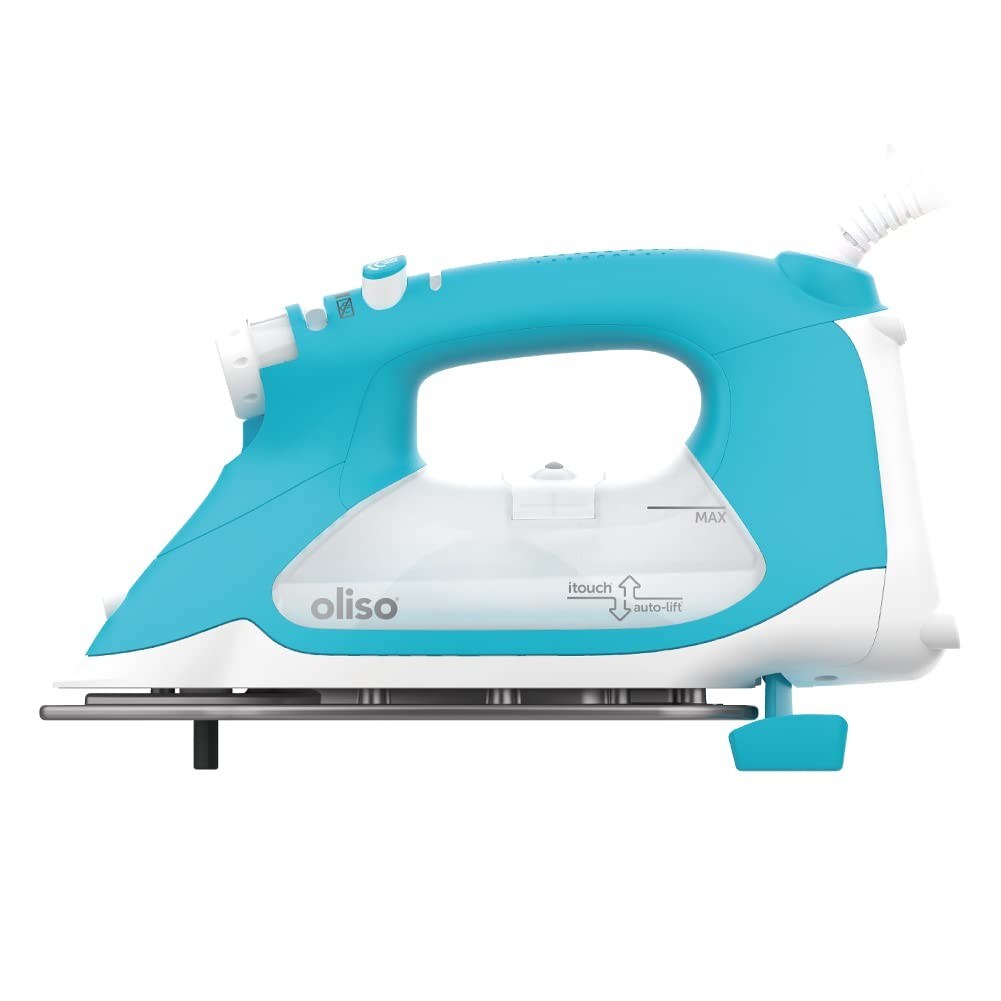
The iron quilters recommend most, largely because of one clever feature: built-in scorch-guard legs that automatically lower to lift the soleplate off the fabric the moment you take your.
Quilting lives and dies by pressing: crisp, accurate seams make the difference between blocks that line up and blocks that fight you. A quilter's iron needs strong, consistent steam (or dry heat), a soleplate that glides without snagging, and enough heat to set a seam in one pass. Here is the quilter's favorite, plus a mini iron for tiny seams and a note on budget options.
The iron quilters recommend most, largely because of one clever feature: built-in scorch-guard legs that automatically.
View on Amazon →A compact iron for pressing small pieces, paper-piecing, and getting into tight spots where a full-size soleplate is.
View on Amazon →If you do not need the auto-lift feature, a solid full-size steam iron from Rowenta or a cordless Panasonic presses seams.
A few things separate a good iron for quilting from a frustrating one: steam output, soleplate, auto-shutoff and stability, and size for the job. Weigh these before you buy.
New quilters often ruin accurate blocks by ironing instead of pressing, and the difference matters. Ironing means sliding the iron back and forth, which stretches and distorts the bias edges of pieced fabric; pressing means lifting the iron and setting it straight down, then lifting again, so the fabric does not shift. Set the seam first (press it flat as sewn to meld the stitches), then press it to one side or open. Use steam carefully, since too much on the move can distort pieces, and let blocks cool flat before moving them so they hold their shape. A good iron helps, but the technique is what keeps your seams accurate and your blocks square.
A compact iron for pressing small pieces, paper-piecing, and getting into tight spots where a full-size soleplate is clumsy, and it packs easily for classes and retreats. A great second iron rather than a only iron.
View on AmazonIf you do not need the auto-lift feature, a solid full-size steam iron from Rowenta or a cordless Panasonic presses seams well for less. Look for strong steam output and a stainless soleplate.
Bottom line: the Oliso TG1600 is the quilter's favorite thanks to its auto-lift; add the M3Pro Mini for small work, or a Rowenta to save money. It completes our quilting setup.
Oliso TG1600 ProPlus Auto-Lift Steam Iron. The iron quilters recommend most, largely because of one clever feature: built-in scorch-guard legs that automatically lower to lift the soleplate off the fabric the moment you take your hand off the handle, so you can leave it flat on your work without scorching or tipping a heavy iron up and down all day.
Focus on steam output, soleplate, auto-shutoff and stability, and size for the job.
The Oliso M3Pro Mini Project Iron. A compact iron for pressing small pieces, paper-piecing, and getting into tight spots where a full-size soleplate is clumsy, and it packs easily for classes and retreats. A great second iron rather than a only iron.
This is a research-based buying guide, not a personal hands-on review. Product details, prices, and availability can change; confirm the current listing on Amazon. As an Amazon Associate I earn from qualifying purchases. Amazon and the Amazon logo are trademarks of Amazon.com, Inc. or its affiliates.
← More Crafts & Making · All guides · How we research · About · Affiliate Disclosure · Privacy Policy · Contact