DJI Mic Mini (2 TX + 1 RX + Charging Case)
The DJI Mic Mini hits the sweet spot for creators in 2026: two clip-on transmitters (you plus a guest), a camera receiver.
View on Amazon → Researched by Johnny Alto · Updated October 12, 2026
Short answer: Our top pick is the DJI Mic Mini (2 TX + 1 RX + Charging Case). The DJI Mic Mini hits the sweet spot for creators in 2026: two clip-on transmitters (you plus a guest), a camera receiver, and a charging case.
Top pickDJI Mic Mini (2 TX + 1 RX + Charging Case)View offer →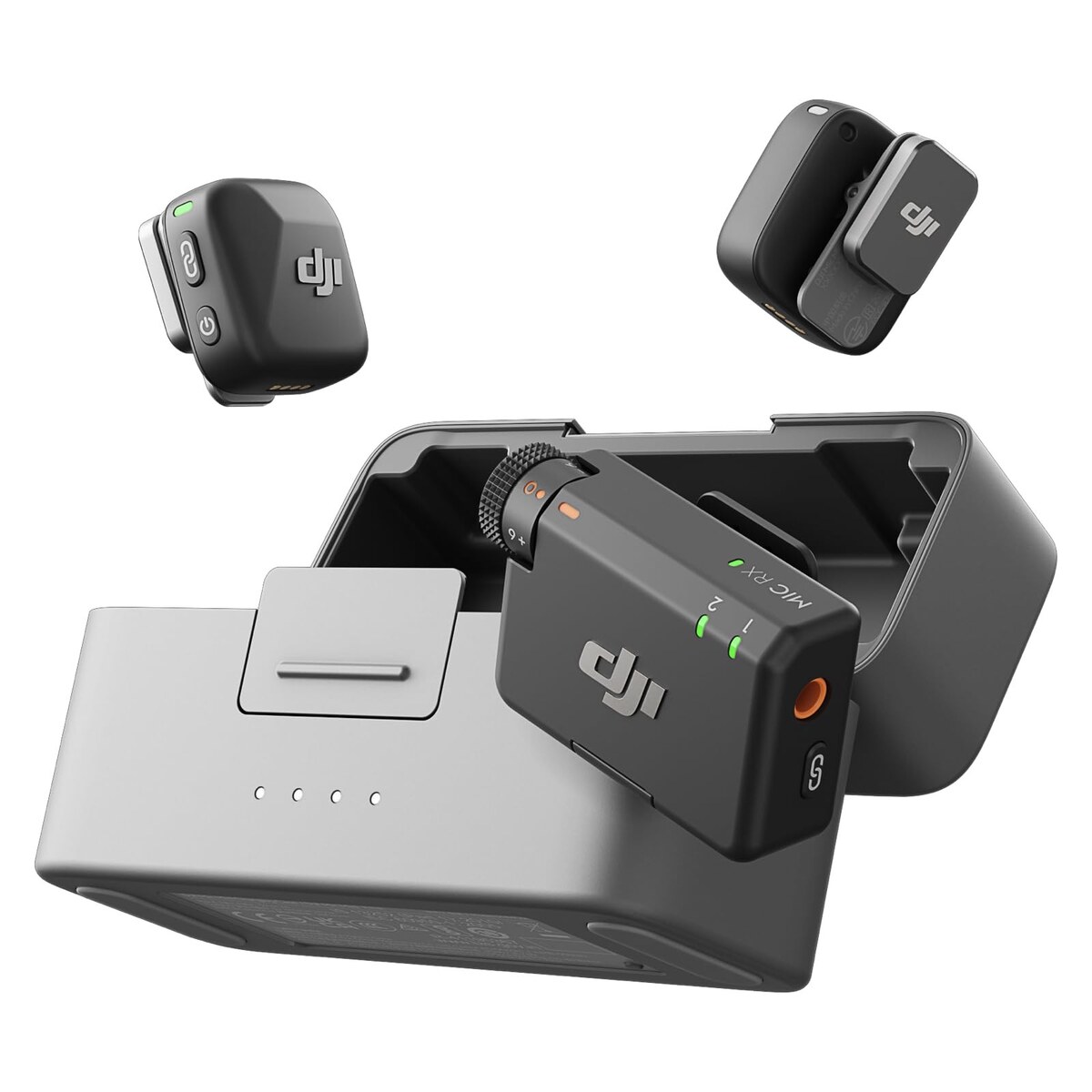
The DJI Mic Mini hits the sweet spot for creators in 2026: two clip-on transmitters (you plus a guest), a camera receiver, and a charging case, usually around 170 dollars.
Vloggers, walk-and-talk creators, and anyone filming on a phone or mirrorless camera need to move around without a cable, and they need audio that stays clean a few feet from the mouth. The catch is connector compatibility: a receiver that plugs into a camera's 3.5mm jack is not the same as one that plugs into an iPhone's USB-C or older Lightning port, and every wireless system needs charging. This is for the creator who wants clip-on-and-go audio that works with both a phone and a camera. Here is the sweet-spot pick, the step-ups, and the connector rule.
The DJI Mic Mini hits the sweet spot for creators in 2026: two clip-on transmitters (you plus a guest), a camera receiver.
View on Amazon →Adds 32-bit float internal recording (a near-unclippable backup track), stronger noise cancelling, and a slightly richer.
View on Amazon →Rock-solid range, onboard recording backup, and a built-in mic on the transmitter so you can shoot without a separate lav.
View on Amazon →Very light button-style clips, long range, and versions sold specifically for Lightning, USB-C, or 3.5mm so you can match.
View on Amazon →A few things separate a good lavalier mic for YouTube (and for iphone) from a frustrating one: phone connector type is the number one thing to get right, range, battery, and wired fallback. Weigh these before you buy.
The most common way people waste money on a wireless lavalier is buying a great mic that physically will not plug into their device, because wireless lav systems come in device-specific flavors and the marketing photos rarely make it obvious. The receiver, the little box that takes the audio off the airwaves and hands it to your recorder, has to connect to whatever you are filming on, and there are three incompatible worlds: cameras and older gear use a 3.5mm analog jack, newer iPhones and most Android phones use USB-C, and older iPhones use Apple's Lightning connector. A receiver built for a camera's 3.5mm jack will not work on a USB-C phone without the correct adapter, and plenty of buyers discover this only after the box arrives. The systems handle this differently, and knowing which model you are looking at saves the headache. DJI's kits ship one receiver plus a set of swappable adapters, so a single purchase covers phone and camera. Rode and Hollyland more often sell separate versions of the same mic for USB-C, Lightning, or 3.5mm, which means you have to pick the exact variant that matches your device, and it is easy to add the wrong one to your cart because the listings look almost identical. So before comparing sound quality or range, settle the boring question first: what port are you plugging into, and does this specific bundle connect to it. Get that right and any of these mics will sound worlds better than your phone's built-in one; get it wrong and the nicest lav on the market is a paperweight.
Adds 32-bit float internal recording (a near-unclippable backup track), stronger noise cancelling, and a slightly richer sound. It is noticeably pricier and larger than the Mini, which is overkill for casual talking-head clips.
View on AmazonRock-solid range, onboard recording backup, and a built-in mic on the transmitter so you can shoot without a separate lav. The receiver is built around a 3.5mm camera workflow, so phone use needs the right USB-C or Lightning adapter, and it costs more than the DJI Mini.
View on AmazonVery light button-style clips, long range, and versions sold specifically for Lightning, USB-C, or 3.5mm so you can match your exact device. There is no 32-bit float, and buying the wrong connector variant is an easy mistake since each is a separate listing.
View on AmazonBottom line: the DJI Mic Mini is the light, clean, phone-and-camera sweet spot, the DJI Mic 2 adds unclippable 32-bit backup, and the Hollyland Lark M2 nails connector flexibility. Match the connector to your device first. Compare it with our budget microphone guide and our YouTube starter kit guide.
DJI Mic Mini (2 TX + 1 RX + Charging Case). The DJI Mic Mini hits the sweet spot for creators in 2026: two clip-on transmitters (you plus a guest), a camera receiver, and a charging case, usually around 170 dollars.
Focus on phone connector type is the number one thing to get right, range, battery, and wired fallback.
The DJI Mic 2 (2 TX + 1 RX + Case). Adds 32-bit float internal recording (a near-unclippable backup track), stronger noise cancelling, and a slightly richer sound. It is noticeably pricier and larger than the Mini, which is overkill for casual talking-head clips.
This is a research-based buying guide, not a personal hands-on review. Product details, prices, and availability can change; confirm the current listing on Amazon. As an Amazon Associate I earn from qualifying purchases. Amazon and the Amazon logo are trademarks of Amazon.com, Inc. or its affiliates.
← More Tech & Creator Gear · All guides · How we research · About · Affiliate Disclosure · Privacy Policy · Contact