The Best Microphone for YouTube
 Researched by Johnny Alto · Published July 30, 2026
Short answer: The best microphone for YouTube is the Shure MV7+. The MV7+ is a USB-C and XLR dynamic mic, and dynamic is the key word, because it rejects room echo, keyboard clatter, and background hum far better than a condenser, so it sounds pro in the untreated bedrooms and offices where most YouTubers actually film. The main things to weigh are untreated normal room (most people), quiet or treated room, sitting still, you move, stand, vlog, or film on a phone, and audio beats the camera, and connection type matters.
Top pickShure MV7+View offer →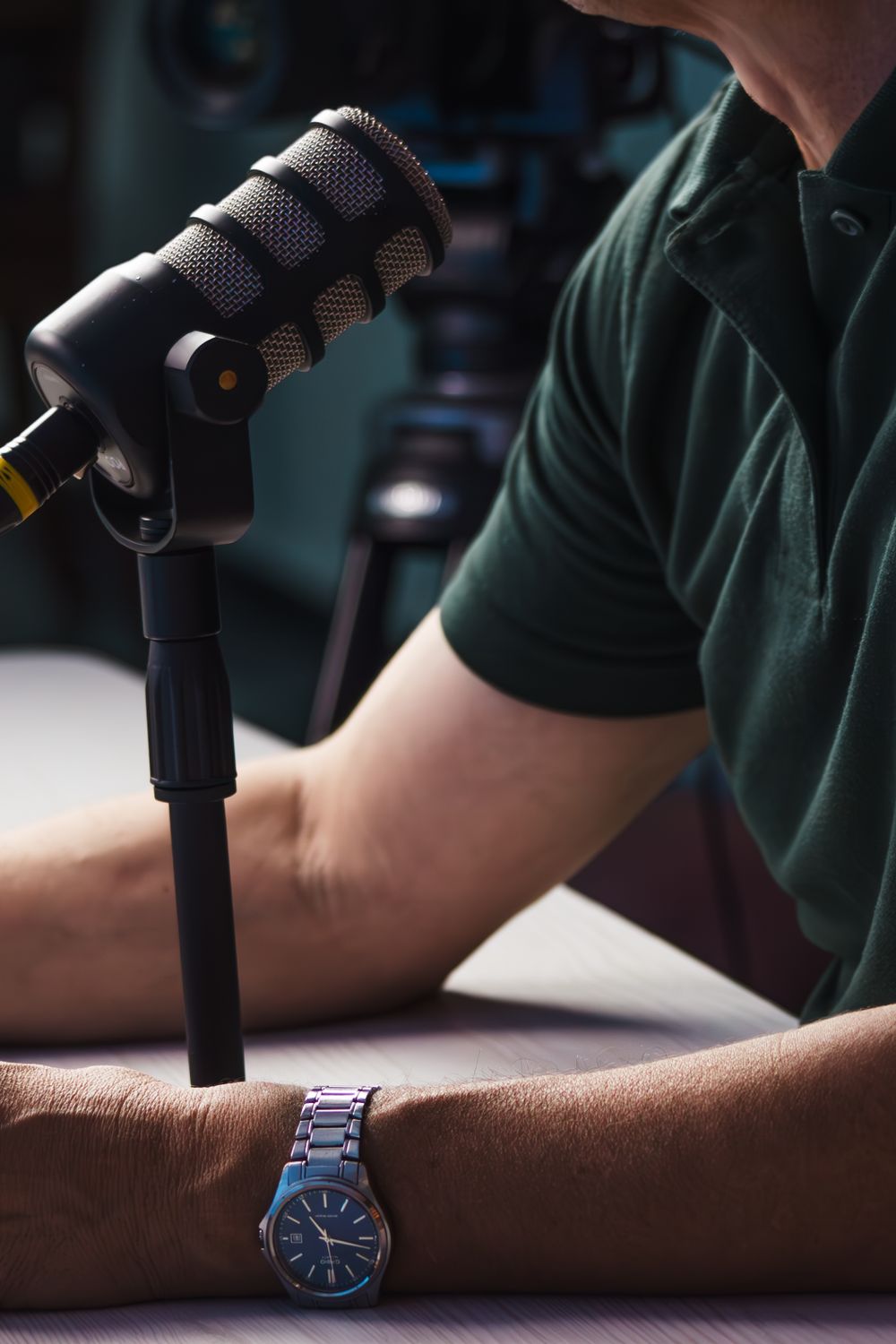
Shure MV7+
The MV7+ is a USB-C and XLR dynamic mic, and dynamic is the key word, because it rejects room echo, keyboard clatter, and background hum far better than a condenser, so it sounds pro in the untreated bedrooms and offices where most YouTubers actually film. You address it close, podcast-style, and the built-in auto-level mode plus a digital pop filter and real-time denoiser get a usable voice with almost no tweaking. The hybrid USB and XLR output means it grows with you: plug into a laptop today and into an audio interface later without rebuying. The honest con is price, around 280 dollars, which is overkill for a casual channel, and because it is a dynamic you have to talk fairly close to it, which is not ideal if you want to sit back from a boom arm. If budget is the priority, drop to the Samson Q2U and put the savings elsewhere.
View on Amazon Editorial illustration.Most new YouTubers obsess over the camera and ignore the one thing viewers actually bail on, which is bad audio. The real question is not which mic is best but which type fits your room and your shooting style: a USB dynamic for a normal untreated room, a USB condenser for a quiet or treated space, or a wireless lavalier if you move around or film on a phone. This page is for the solo creator who wants one confident pick for their exact situation. Here is the best overall, plus the right answer for each setup.
How do the best options for microphone for YouTube compare?
| Pick | Product | Why it makes the list |
|---|---|---|
| Top pick | Shure MV7+ | The MV7+ is a USB-C and XLR dynamic mic, and dynamic is the key word, because it rejects room echo, keyboard clatter, and background hum far better than a condenser, so it sounds pro in the untreated bedrooms and offices where most YouTubers actually film. |
| Best value | Samson Q2U | The same dynamic room-rejection magic as the Shure for roughly a quarter of the price, with both USB and XLR out and a headphone jack for monitoring. It is plasticky with no onboard processing, and the included tripod is tiny, so you will want a boom arm. |
| Best condenser (quiet rooms only) | Audio-Technica AT2020USB-X | A detailed, open studio sound with a headphone jack and mix control, great if your space is quiet and soft-furnished. As a condenser it is sensitive and will happily record your AC, echo, and street noise, so it punishes untreated rooms. |
| Best for moving or phone filming | DJI Mic Mini | A tiny clip-on wireless transmitter with strong noise cancelling and long battery, the answer for vlogging, standing talking-head, or filming on a phone without cables. Chest placement sounds slightly thinner than a broadcast dynamic, and this base kit is a single transmitter. |
What should you look for in microphone for YouTube?
A few things separate a good microphone for YouTube from a frustrating one: untreated normal room (most people), quiet or treated room, sitting still, you move, stand, vlog, or film on a phone, and audio beats the camera, and connection type matters. Weigh these before you buy.
- Untreated normal room (most people): buy a USB dynamic (MV7+, Q2U), since dynamics only pick up what is right in front of them, so echo, fans, and keyboard noise mostly disappear; this is the safest default.
- Quiet or treated room, sitting still: a USB condenser (AT2020USB-X) rewards you with richer detail, but only if the room is under control or it amplifies every background sound.
- You move, stand, vlog, or film on a phone: a wireless lavalier (DJI Mic Mini) frees you from a desk and a boom arm, at the cost of a slightly thinner tone.
- Audio beats the camera, and connection type matters: USB plugs straight into a laptop with no extra gear, XLR needs an interface but scales up, and a hybrid USB and XLR mic lets you start USB and upgrade later; no mic fixes a bad room, so get it close to your mouth first.
Match the mic type to your room, not to a spec sheet
The single most useful thing to understand about buying a YouTube microphone is that the right choice depends far more on where you record than on which model has the best reviews, because the same mic that sounds professional in one room sounds amateur in another. Microphones fall into two families that behave oppositely. A condenser is sensitive and detailed and captures everything around it, which is wonderful in a treated studio and a disaster in a bare bedroom, where it turns your voice into a hollow, echoey, fan-humming mess. A dynamic is deliberately less sensitive and only really hears a source a few inches away, so in that same untreated bedroom it delivers clean, close, professional voice while ignoring the room, which is exactly why a dynamic USB mic is the safe default for almost everyone. The third option, a wireless lavalier, exists for a different reason entirely: mobility. If you stand, walk, vlog, or film on a phone, you cannot be tethered to a desk mic on a boom arm, and a tiny clip-on transmitter solves that at the cost of a slightly thinner chest-mounted tone. So the decision tree is short. Untreated room and you sit at a desk, buy a dynamic. Quiet, soft-furnished room and you want maximum detail, a condenser rewards you. You move or film on a phone, a wireless lav. And whichever you pick, remember the rule that overrides all of it: no microphone overcomes a bad room or bad placement, so get the mic close and treat audio as the first thing you spend on, ahead of the camera.
What are the best alternatives?
Samson Q2U
The same dynamic room-rejection magic as the Shure for roughly a quarter of the price, with both USB and XLR out and a headphone jack for monitoring. It is plasticky with no onboard processing, and the included tripod is tiny, so you will want a boom arm.
View on AmazonAudio-Technica AT2020USB-X
A detailed, open studio sound with a headphone jack and mix control, great if your space is quiet and soft-furnished. As a condenser it is sensitive and will happily record your AC, echo, and street noise, so it punishes untreated rooms.
View on AmazonDJI Mic Mini
A tiny clip-on wireless transmitter with strong noise cancelling and long battery, the answer for vlogging, standing talking-head, or filming on a phone without cables. Chest placement sounds slightly thinner than a broadcast dynamic, and this base kit is a single transmitter.
View on AmazonBottom line: the Shure MV7+ is the best overall for the untreated rooms most people film in, the Samson Q2U is the value pick, the AT2020USB-X is the condenser for quiet spaces, and the DJI Mic Mini is for moving and phone video. Match the type to your situation. Go deeper in our budget microphone guide and our USB microphone guide.
Frequently asked questions
What is the best microphone for YouTube?
Shure MV7+. The MV7+ is a USB-C and XLR dynamic mic, and dynamic is the key word, because it rejects room echo, keyboard clatter, and background hum far better than a condenser, so it sounds pro in the untreated bedrooms and offices where most YouTubers actually film.
What should you look for in microphone for YouTube?
Focus on untreated normal room (most people), quiet or treated room, sitting still, you move, stand, vlog, or film on a phone, and audio beats the camera, and connection type matters.
What is a good alternative to the Shure MV7+?
The Samson Q2U. The same dynamic room-rejection magic as the Shure for roughly a quarter of the price, with both USB and XLR out and a headphone jack for monitoring. It is plasticky with no onboard processing, and the included tripod is tiny, so you will want a boom arm.
Related buying guides
- Air Purifier for Allergies
- Air Purifier for Pets
- Air Purifier for Mold
- Air Purifier for a Bedroom
- Air Purifier for Smoke
This is a research-based buying guide, not a personal hands-on review. Product details, prices, and availability can change; confirm the current listing on Amazon. As an Amazon Associate I earn from qualifying purchases. Amazon and the Amazon logo are trademarks of Amazon.com, Inc. or its affiliates.
← More Music & Audio · All guides · How we research · About · Affiliate Disclosure · Privacy Policy · Contact