BalanceFrom 3-in-1 Foam Plyometric Jump Box
The foam-over-frame construction is the honest reason to buy this over a wood box: when you clip a jump, the padded edge.
View on Amazon → Researched by Johnny Alto · Updated October 12, 2026
Short answer: Our top pick is the BalanceFrom 3-in-1 Foam Plyometric Jump Box. The foam-over-frame construction is the honest reason to buy this over a wood box: when you clip a jump, the padded edge compresses instead of.
Top pickBalanceFrom 3-in-1 Foam Plyometric Jump BoxView offer →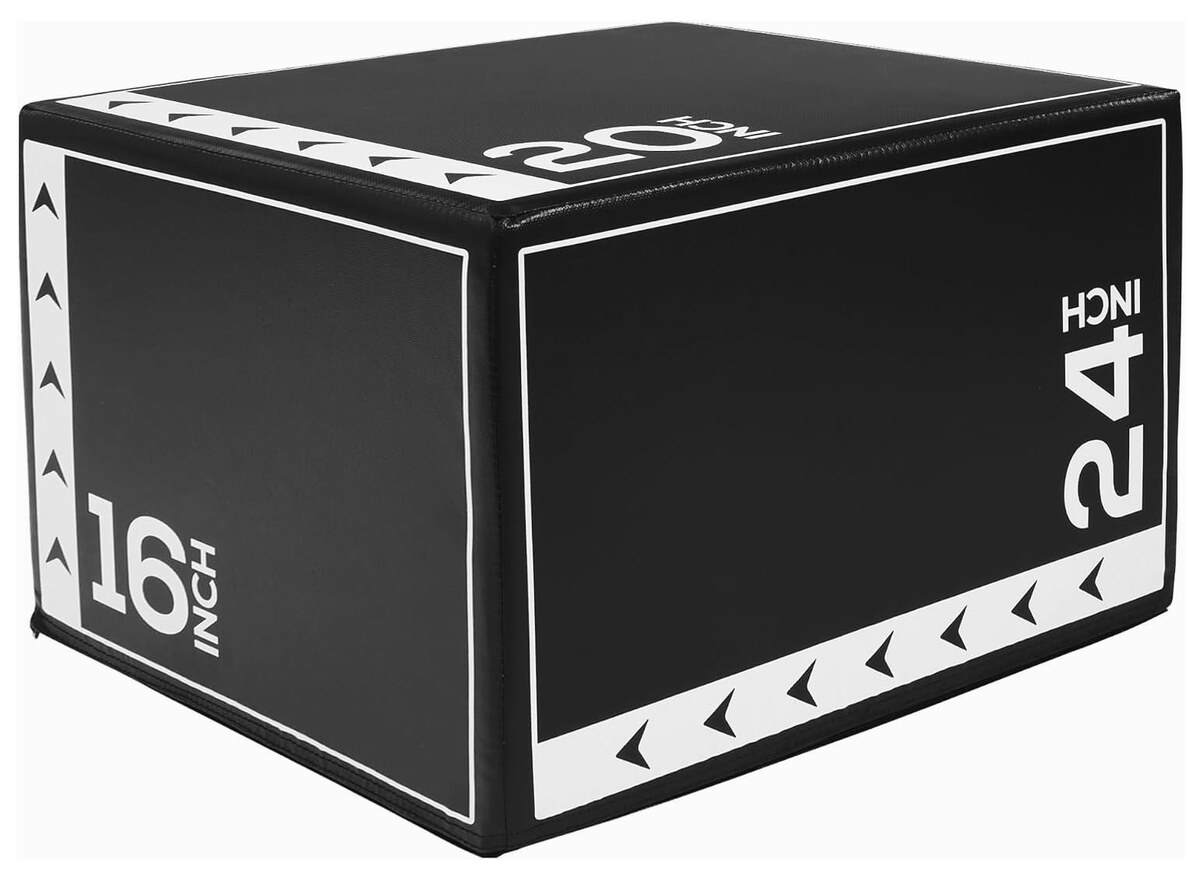
The foam-over-frame construction is the honest reason to buy this over a wood box: when you clip a jump, the padded edge compresses instead of skinning your shin, which is exactly what.
Home lifters adding box jumps, step-ups, and HIIT circuits face one decision that outweighs everything else: what happens when you miss a rep. A shin catching a hard wooden edge is the single most common box-jump injury, so the box you pick is mostly a safety-versus-stability tradeoff. This is for beginner-to-intermediate home-gym users who want plyometrics without the ER-visit risk of a bare wood box. Here is the pick, a stable wood option, and the safety rules.
The foam-over-frame construction is the honest reason to buy this over a wood box: when you clip a jump, the padded edge.
View on Amazon →Rock-solid stability, high weight capacity, built-in handles, and cheaper than foam.
View on Amazon →The same shin-friendly foam but reaching a true 30-inch jump for progression.
View on Amazon →Dense foam over a wooden core gives the best of both, stable and shin-safe, widely rated the best-value soft box.
A few things separate a good plyo box for a home gym from a frustrating one: foam vs wood, 3-in-1 heights, weight capacity and stability, and safety. Weigh these before you buy.
The plyo-box decision is really a safety decision, because the injuries come from missed reps. A bare wooden box is the most stable and cheapest, but if you clip the edge on a jump, that hard corner gashes your shin, which is the single most common box-jump injury and the reason nervous beginners avoid the movement entirely. A foam box, or a dense foam-over-wood soft box, compresses on contact so a miss is a bruise at worst, which keeps you training. The other safety habit that matters more than the box: step down off the box after each rep rather than jumping down, since repeatedly jumping down loads the Achilles hard and is a frequent cause of tendon problems. And add height slowly, one level at a time.
Rock-solid stability, high weight capacity, built-in handles, and cheaper than foam. Hard edges mean real shin and bruise risk on a missed jump, so it suits confident jumpers, not nervous beginners.
View on AmazonThe same shin-friendly foam but reaching a true 30-inch jump for progression. The heavier version is pricey and awkward to move, and the tall orientation is genuinely advanced.
View on AmazonDense foam over a wooden core gives the best of both, stable and shin-safe, widely rated the best-value soft box. It costs more and is bought mainly direct from repfitness.com, not on Amazon.
Bottom line: the BalanceFrom 3-in-1 foam box is the shin-friendly pick that keeps beginners training; go Yes4All wood for maximum stability if you are a confident jumper. Progress height slowly and step down, not jump down. Pair it with our rings and weighted vest guides.
BalanceFrom 3-in-1 Foam Plyometric Jump Box. The foam-over-frame construction is the honest reason to buy this over a wood box: when you clip a jump, the padded edge compresses instead of skinning your shin, which is exactly what keeps beginners actually training plyos instead of fearing them, and it gives three heights from one unit by rotating the box, with a non-slip top for step-ups.
Focus on foam vs wood, 3-in-1 heights, weight capacity and stability, and safety.
The Yes4All 3-in-1 Wooden Plyo Box. Rock-solid stability, high weight capacity, built-in handles, and cheaper than foam. Hard edges mean real shin and bruise risk on a missed jump, so it suits confident jumpers, not nervous beginners.
This is a research-based buying guide, not a personal hands-on review. Product details, prices, and availability can change; confirm the current listing on Amazon. As an Amazon Associate I earn from qualifying purchases. Amazon and the Amazon logo are trademarks of Amazon.com, Inc. or its affiliates.
← More Fitness & Wellness · All guides · How we research · About · Affiliate Disclosure · Privacy Policy · Contact