Fielda Self-Watering Pots
A well-liked modern self-watering pot that gets the basics right.
View on Amazon → Researched by Johnny Alto · Updated October 12, 2026
Short answer: Our top pick is the Fielda Self-Watering Pots. A well-liked modern self-watering pot that gets the basics right.
Top pickFielda Self-Watering PotsView offer →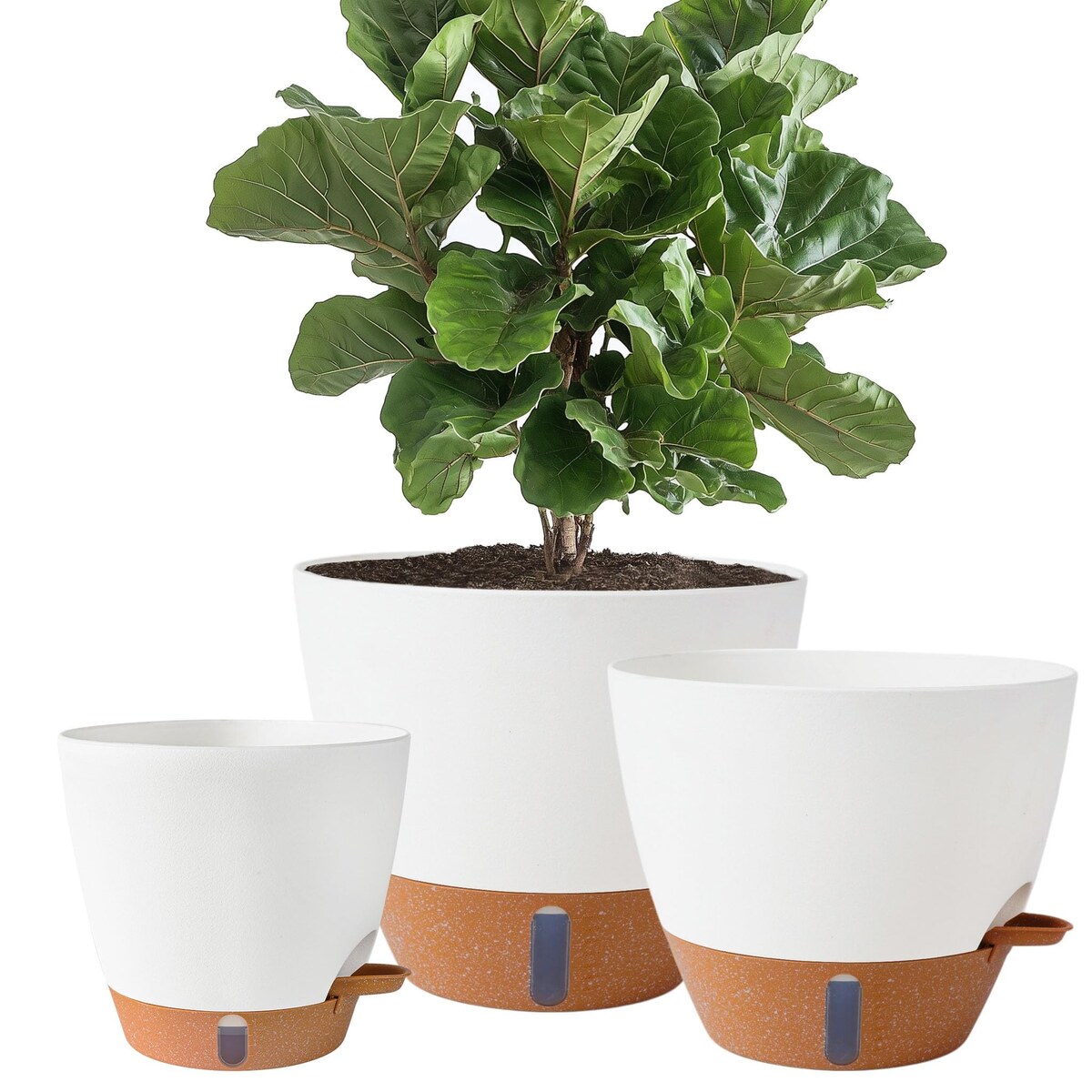
A well-liked modern self-watering pot that gets the basics right.
A self-watering planter holds a reservoir of water below the soil and lets the plant wick up what it needs, so you water less often and forget less often. The things that matter: a clear water-level indicator so you know when to refill, a design that actually wicks well without waterlogging the roots, and a size that fits your plant. Here is the pick most plant owners like, plus a budget multipack and watering globes for pots you already own.
A well-liked modern self-watering pot that gets the basics right.
View on Amazon →A value set for kitting out several plants at once, with the same reservoir-and-indicator idea at a lower per-pot price.
View on Amazon →If you like your current pots, watering globes or spikes push water into the existing soil over days, no repotting needed.
View on Amazon →A few things separate a good Self-Watering planter from a frustrating one: water-level indicator, good wicking, no waterlogging, size and drainage, and refill access. Weigh these before you buy.
They genuinely work, but only for the right plants and if you use them correctly. Self-watering pots keep soil consistently moist, which is exactly what thirsty plants love, ferns, peace lilies, pothos, calatheas, and most tropicals do great. What they are wrong for is anything that likes to dry out: succulents, cacti, snake plants, and many herbs will rot in constantly moist soil, so keep those in regular pots. Two care notes that prevent problems. Do not keep the reservoir full at all times for a new transplant; let the plant's roots grow down to reach the water first, watering from the top for the first few weeks. And periodically let the reservoir run dry and flush the soil, because standing water can breed fungus gnats and mineral buildup, and roots need some air. Matched to the right plant, they cut your watering to a couple of times a month. Assembled from houseplant communities and owner discussions, not paid placement.
A value set for kitting out several plants at once, with the same reservoir-and-indicator idea at a lower per-pot price. Great if you are converting a whole shelf of plants.
View on AmazonIf you like your current pots, watering globes or spikes push water into the existing soil over days, no repotting needed. Less precise than a true reservoir pot, but a cheap way to cover a plant while you travel.
View on AmazonBottom line: the Fielda pots are the fuss-free pick for thirsty houseplants; grab the MNKXL multipack to do several at once, or watering globes for pots you already love. Read the note below, because self-watering is not right for every plant.
Fielda Self-Watering Pots. A well-liked modern self-watering pot that gets the basics right.
Focus on water-level indicator, good wicking, no waterlogging, size and drainage, and refill access.
The MNKXL Self-Watering Pots (4-pack). A value set for kitting out several plants at once, with the same reservoir-and-indicator idea at a lower per-pot price. Great if you are converting a whole shelf of plants.
This is a research-based buying guide, not a personal hands-on review. Product details, prices, and availability can change; confirm the current listing on Amazon. As an Amazon Associate I earn from qualifying purchases. Amazon and the Amazon logo are trademarks of Amazon.com, Inc. or its affiliates.
← More Garden & Plants · All guides · How we research · About · Affiliate Disclosure · Privacy Policy · Contact