Bialetti Moka Express, 6-Cup (06800)
This is the original 1933 octagonal aluminum moka pot and still the honest default: it is cheap, makes genuinely good.
View on Amazon → Researched by Johnny Alto · Updated October 12, 2026
Short answer: Our top pick is the Bialetti Moka Express, 6-Cup (06800). This is the original 1933 octagonal aluminum moka pot and still the honest default: it is cheap, makes genuinely good strong coffee, is dead simple.
Top pickBialetti Moka Express, 6-Cup (06800)View offer →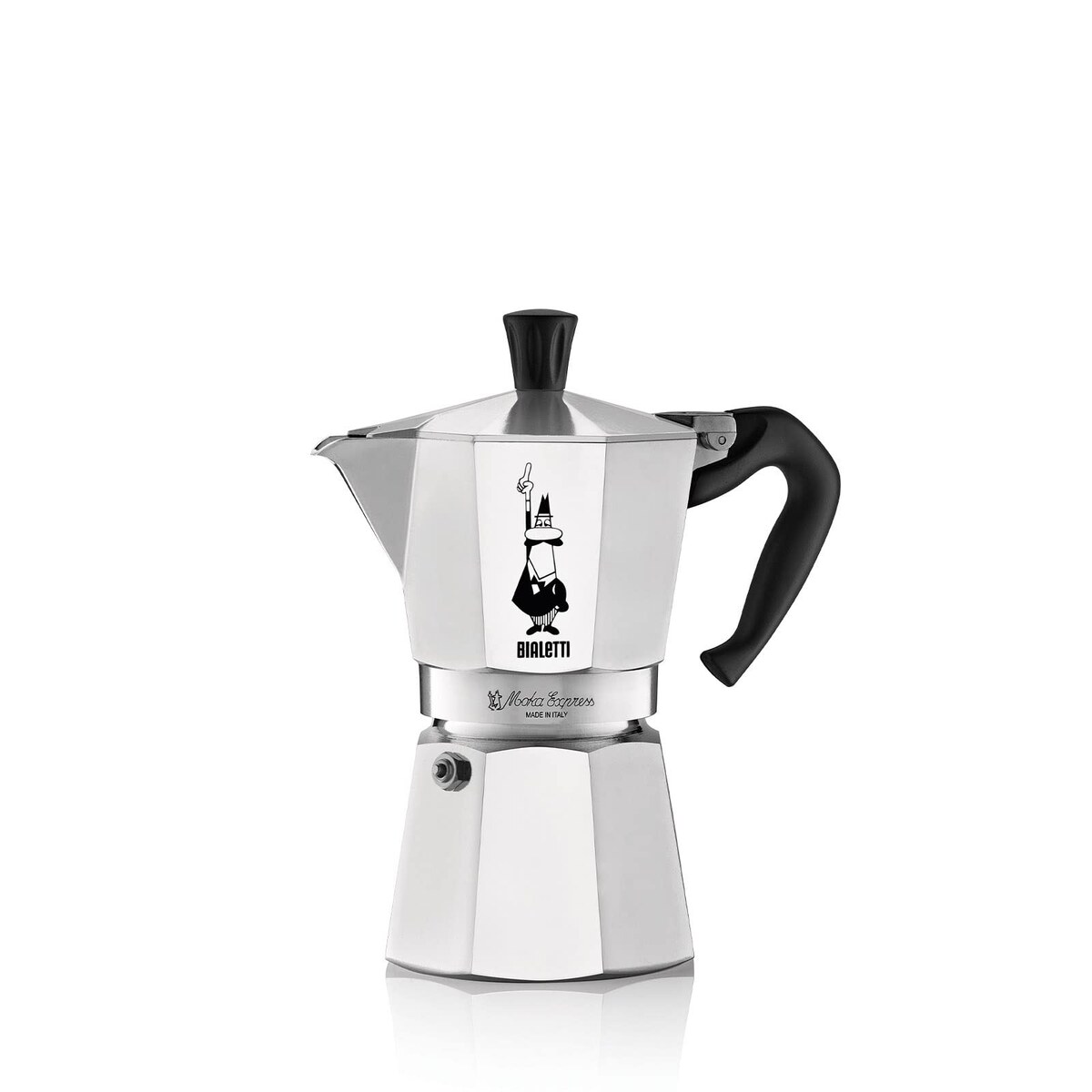
This is the original 1933 octagonal aluminum moka pot and still the honest default: it is cheap, makes genuinely good strong coffee, is dead simple, and parts (gaskets, filter plates) are.
Most people do not want a $700 espresso machine, they want strong, rich, cafe-adjacent coffee on the stove for under $40, and a moka pot delivers exactly that. This is for the buyer choosing between the iconic aluminum classic, a crema-boosting upgrade, and a dishwasher-safe stainless version for induction cooktops, with the honest note that a moka pot makes concentrated moka coffee, not true 9-bar espresso. Here is the default pick, a crema option, and how to size one to how much you actually drink.
This is the original 1933 octagonal aluminum moka pot and still the honest default: it is cheap, makes genuinely good.
View on Amazon →A weighted pressure valve builds higher pressure, so it produces a genuine crema layer, the closest a stovetop gets to.
View on Amazon →18/10 stainless steel that works on induction, is dishwasher-safe, and carries a lifetime warranty, a genuine.
View on Amazon →Right-sizing matters, since a moka pot underfilled brews weak and bitter, so a single drinker should buy 1 to 3 cup.
A few things separate a good stovetop espresso maker from a frustrating one: aluminum vs stainless, size by drinker, not true espresso, and consumables wear out. Weigh these before you buy.
The most common disappointment with a moka pot comes from expecting espresso, so it helps to be clear about what it actually makes. A real espresso machine forces water through the grounds at about 9 bar of pressure, which is what produces true espresso and its crema. A moka pot works by steam pressure pushing water up through the grounds at only about 1.5 to 2 bar, so what comes out is a strong, concentrated, rich coffee, closer to a bold pour-over in intensity than to a shot from a cafe machine, and generally without real crema (the pressure-valve Brikka is the one exception that gets close). That is not a flaw, it is the whole appeal: cafe-adjacent strength for under $40 with almost no fuss. To get the best from one, match the pot size to how much you drink, because moka pots are designed to be filled to capacity and brew weak and bitter when underfilled, keep the flame low and under the base so the plastic handle does not scorch, and replace the cheap rubber gasket and filter screen every year or two so it keeps sealing.
A weighted pressure valve builds higher pressure, so it produces a genuine crema layer, the closest a stovetop gets to espresso. It is fussy and unforgiving, since you must fill water and coffee to the exact lines or the valve sputters, and it only comes in small sizes.
View on Amazon18/10 stainless steel that works on induction, is dishwasher-safe, and carries a lifetime warranty, a genuine buy-it-for-life upgrade. It costs a few times the aluminum Bialetti and some purists prefer the classic aluminum flavor.
View on AmazonRight-sizing matters, since a moka pot underfilled brews weak and bitter, so a single drinker should buy 1 to 3 cup. The output is tiny and not economical if you ever make coffee for two; confirm the size variant listing before buying.
Bottom line: the Bialetti Moka Express is the cheap, iconic default for strong stovetop coffee; go Brikka for actual crema or the stainless Cuisinox Roma for induction and the dishwasher. Size it to your drinkers and fill it to capacity. Pair it with our matcha-whisk and cozy-home guides.
Bialetti Moka Express, 6-Cup (06800). This is the original 1933 octagonal aluminum moka pot and still the honest default: it is cheap, makes genuinely good strong coffee, is dead simple, and parts (gaskets, filter plates) are universally available so it lasts for years.
Focus on aluminum vs stainless, size by drinker, not true espresso, and consumables wear out.
The Bialetti New Brikka, 2-Cup. A weighted pressure valve builds higher pressure, so it produces a genuine crema layer, the closest a stovetop gets to espresso. It is fussy and unforgiving, since you must fill water and coffee to the exact lines or the valve sputters, and it only comes in small sizes.
This is a research-based buying guide, not a personal hands-on review. Product details, prices, and availability can change; confirm the current listing on Amazon. As an Amazon Associate I earn from qualifying purchases. Amazon and the Amazon logo are trademarks of Amazon.com, Inc. or its affiliates.
← More Home & Kitchen · All guides · How we research · About · Affiliate Disclosure · Privacy Policy · Contact