THERABAND Professional Latex Resistance Bands, 3-Color Set
This is the exact light-to-medium progression a shoulder needs: Yellow (thin, light) for early rotator-cuff work, Red.
View on Amazon → Researched by Johnny Alto · Updated October 12, 2026
Short answer: Our top pick is the THERABAND Professional Latex Resistance Bands, 3-Color Set. This is the exact light-to-medium progression a shoulder needs: Yellow (thin, light) for early rotator-cuff work, Red (medium), then Green (heavy).
Top pickTHERABAND Professional Latex Resistance Bands, 3-Color SetView offer →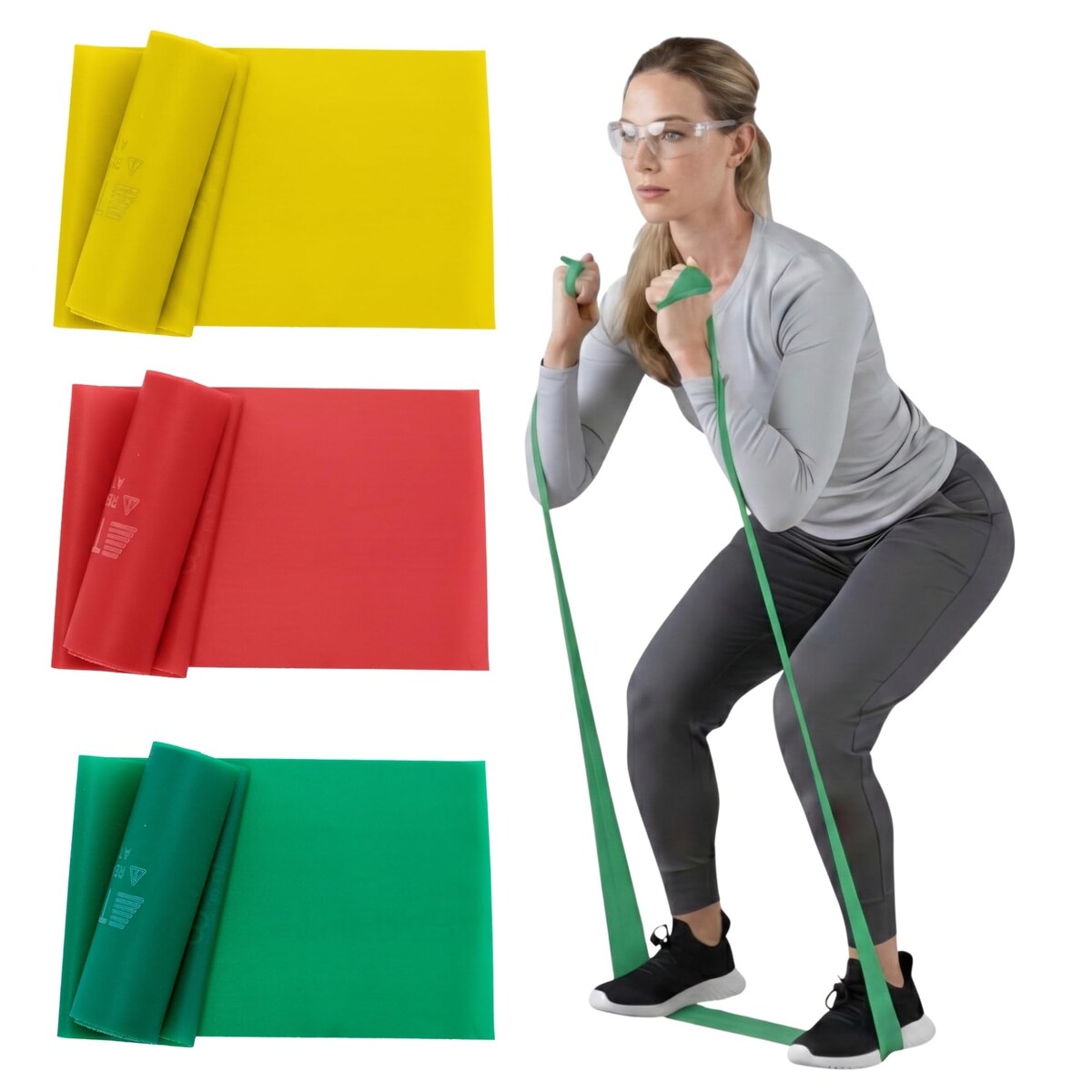
This is the exact light-to-medium progression a shoulder needs: Yellow (thin, light) for early rotator-cuff work, Red (medium), then Green (heavy) as you regain strength, so you buy the.
Shoulder and rotator-cuff rehab lives or dies on light, controllable resistance and the ability to nudge up one small step at a time, which is why flat therapy bands, not the heavy tube or loop bands sold for glutes, are what physios reach for first. The real buyer problem is starting too heavy, since jumping to a resistance that lets the big muscles cheat is how people re-aggravate a cuff. This is for anyone doing external and internal rotation, scaption, or Y-T-W work at home, ideally alongside a PT-prescribed program. Here is the pick, a latex-free option, and the rules.
This is the exact light-to-medium progression a shoulder needs: Yellow (thin, light) for early rotator-cuff work, Red.
View on Amazon →Closed loops are ideal for serratus and scapular drills, banded pull-aparts, and Y-T-W where the band pulls both arms.
View on Amazon →The same color-coded pull forces as latex TheraBand for anyone with a latex allergy, with no meaningful clinical difference.
View on Amazon →Covers the full color ladder so you never outgrow it.
View on Amazon →A few things separate a good therapy resistance bands for shoulder rehab from a frustrating one: flat vs loop, color coding (light to heavy), latex vs latex-free, and safety. Weigh these before you buy.
The most common mistake in shoulder rehab is using too much resistance too soon. The rotator cuff is small and the point of early rehab is to train those specific muscles through a controlled range, but if the band is too heavy, the big surrounding muscles take over and cheat the movement, which does nothing for the cuff and can re-aggravate the injury. That is why physios start with a thin, light flat band (TheraBand Yellow) and step up only one color at a time as strength returns, and it is why the light-to-medium three-color set is the right buy rather than a single heavy band. Ideally follow a PT-prescribed program, stop if you feel pain rather than just fatigue, and check the band for nicks before each use, since a band snapping toward your face is a real hazard.
Closed loops are ideal for serratus and scapular drills, banded pull-aparts, and Y-T-W where the band pulls both arms apart, and it is cheap. Loops are less versatile than flat bands for classic anchored external-rotation work, and cheaper loops can snap or roll.
View on AmazonThe same color-coded pull forces as latex TheraBand for anyone with a latex allergy, with no meaningful clinical difference. This pack is the heavier levels, a progression pack rather than a beginner's first band, so buy a lighter latex-free level to start.
View on AmazonCovers the full color ladder so you never outgrow it. It is more band than a single-shoulder rehab needs, and it is latex.
View on AmazonBottom line: the TheraBand Yellow/Red/Green set is the light-to-medium progression a rehabbing shoulder actually needs; go latex-free for allergies or loops for scapular work. Progress one level at a time, ideally with a PT. Pair it with our rings and strength guides.
THERABAND Professional Latex Resistance Bands, 3-Color Set. This is the exact light-to-medium progression a shoulder needs: Yellow (thin, light) for early rotator-cuff work, Red (medium), then Green (heavy) as you regain strength, so you buy the ramp in one box instead of guessing a single level, and TheraBand is the 40-year clinical standard with a flat, wide profile that gives a smooth, gentle resistance curve easy to control through a rehab range of motion.
Focus on flat vs loop, color coding (light to heavy), latex vs latex-free, and safety.
The Fit Simplify Resistance Loop Bands, Set of 5. Closed loops are ideal for serratus and scapular drills, banded pull-aparts, and Y-T-W where the band pulls both arms apart, and it is cheap. Loops are less versatile than flat bands for classic anchored external-rotation work, and cheaper loops can snap or roll.
This is a research-based buying guide, not a personal hands-on review. Product details, prices, and availability can change; confirm the current listing on Amazon. As an Amazon Associate I earn from qualifying purchases. Amazon and the Amazon logo are trademarks of Amazon.com, Inc. or its affiliates.
← More Fitness & Wellness · All guides · How we research · About · Affiliate Disclosure · Privacy Policy · Contact