Worm Factory 360
The stacking-tray design keeps the same small footprint (about 16 by 16 inches) no matter how many trays you add, which is.
View on Amazon → Researched by Johnny Alto · Updated October 12, 2026
Short answer: Our top pick is the Worm Factory 360. The stacking-tray design keeps the same small footprint (about 16 by 16 inches) no matter how many trays you add, which is exactly what an apartment.
Top pickWorm Factory 360View offer →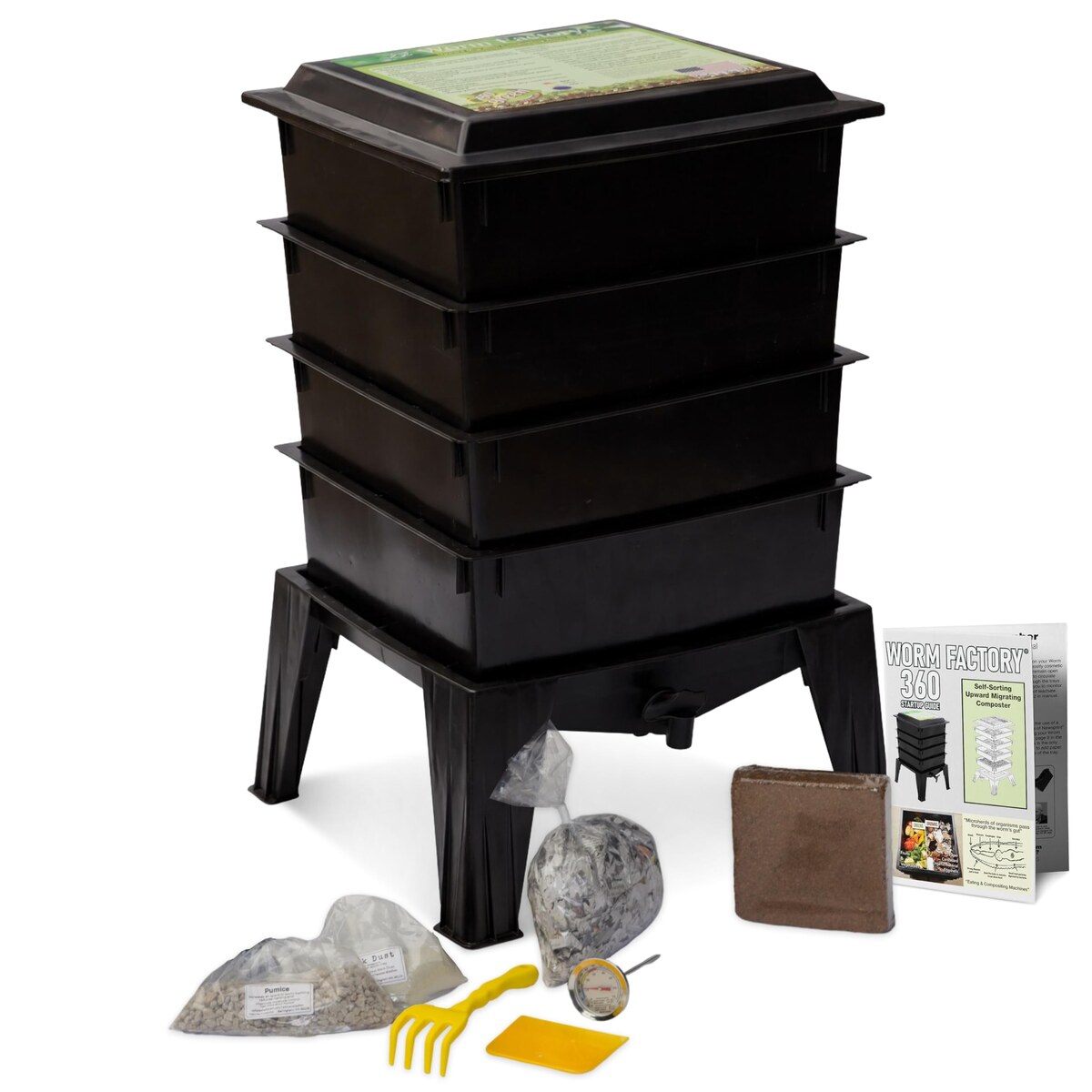
The stacking-tray design keeps the same small footprint (about 16 by 16 inches) no matter how many trays you add, which is exactly what an apartment needs, you build up, not out.
Apartment composters need to turn kitchen scraps into castings without odor, floor sprawl, or fruit-fly problems. The real decision is a stacking-tray system versus a continuous-flow bag: trays are tidy, self-contained, and pest-resistant; bags breathe better but need a spot to stand and look less living-room friendly. This is for renters and small-space growers doing a pound or two of scraps a day. Here is the pick, a breathable option, and how to keep it clean.
The stacking-tray design keeps the same small footprint (about 16 by 16 inches) no matter how many trays you add, which is.
View on Amazon →Breathable fabric gives far better airflow and moisture control and about 4 square feet of surface, so it processes more.
View on Amazon →The same bag cheaper if you build or supply your own stand.
View on Amazon →A cheaper clone of the tray concept.
A few things separate a good worm bin for a small apartment from a frustrating one: tray vs bag, footprint, start small, and beat fruit flies. Weigh these before you buy.
Almost every bad worm-bin experience in an apartment comes down to overfeeding, not the bin itself. New composters dump in too many scraps too fast, the worms cannot keep up, the excess rots, and you get smell and fruit flies. The fix is simple: feed small amounts, bury the food under the bedding, and keep a thick, dry bedding cap on top so flies cannot reach the scraps. Let the worms catch up before adding more. Do that and a closed tray bin like the Worm Factory stays genuinely odorless in a kitchen corner.
Breathable fabric gives far better airflow and moisture control and about 4 square feet of surface, so it processes more and rarely goes anaerobic. It is a hanging or standing fabric cube that needs its own frame and looks less finished indoors, with a slower first harvest.
View on AmazonThe same bag cheaper if you build or supply your own stand. You must rig a frame yourself, which many apartment users will not want to do.
View on AmazonA cheaper clone of the tray concept. Thinner plastic and inconsistent spigot and fit quality, and the ASIN churns by seller, so buy with modest expectations.
Bottom line: the Worm Factory 360 is the tidy, pest-resistant stacking pick for an apartment; the Urban Worm Bag breathes better if you have room for a frame. Do not overfeed early. Pair it with our indoor growing and homestead guides.
Worm Factory 360. The stacking-tray design keeps the same small footprint (about 16 by 16 inches) no matter how many trays you add, which is exactly what an apartment needs, you build up, not out.
Focus on tray vs bag, footprint, start small, and beat fruit flies.
The Urban Worm Bag Version 2. Breathable fabric gives far better airflow and moisture control and about 4 square feet of surface, so it processes more and rarely goes anaerobic. It is a hanging or standing fabric cube that needs its own frame and looks less finished indoors, with a slower first harvest.
This is a research-based buying guide, not a personal hands-on review. Product details, prices, and availability can change; confirm the current listing on Amazon. As an Amazon Associate I earn from qualifying purchases. Amazon and the Amazon logo are trademarks of Amazon.com, Inc. or its affiliates.
← More Garden & Plants · All guides · How we research · About · Affiliate Disclosure · Privacy Policy · Contact