The Best EDC Flashlight Under $50
 Researched by Johnny Alto · Published July 29, 2026
Short answer: The best EDC flashlight under $50 is the Wurkkos FC11 (Nichia 519A, 5000K). The FC11 is the perennial budget recommendation, and for good reason. The main things to weigh are 18650 is the sweet spot, lumens are peak, not sustained, chase high cri, and check the details.
Top pickWurkkos FC11 (Nichia 519A, 5000K)View offer →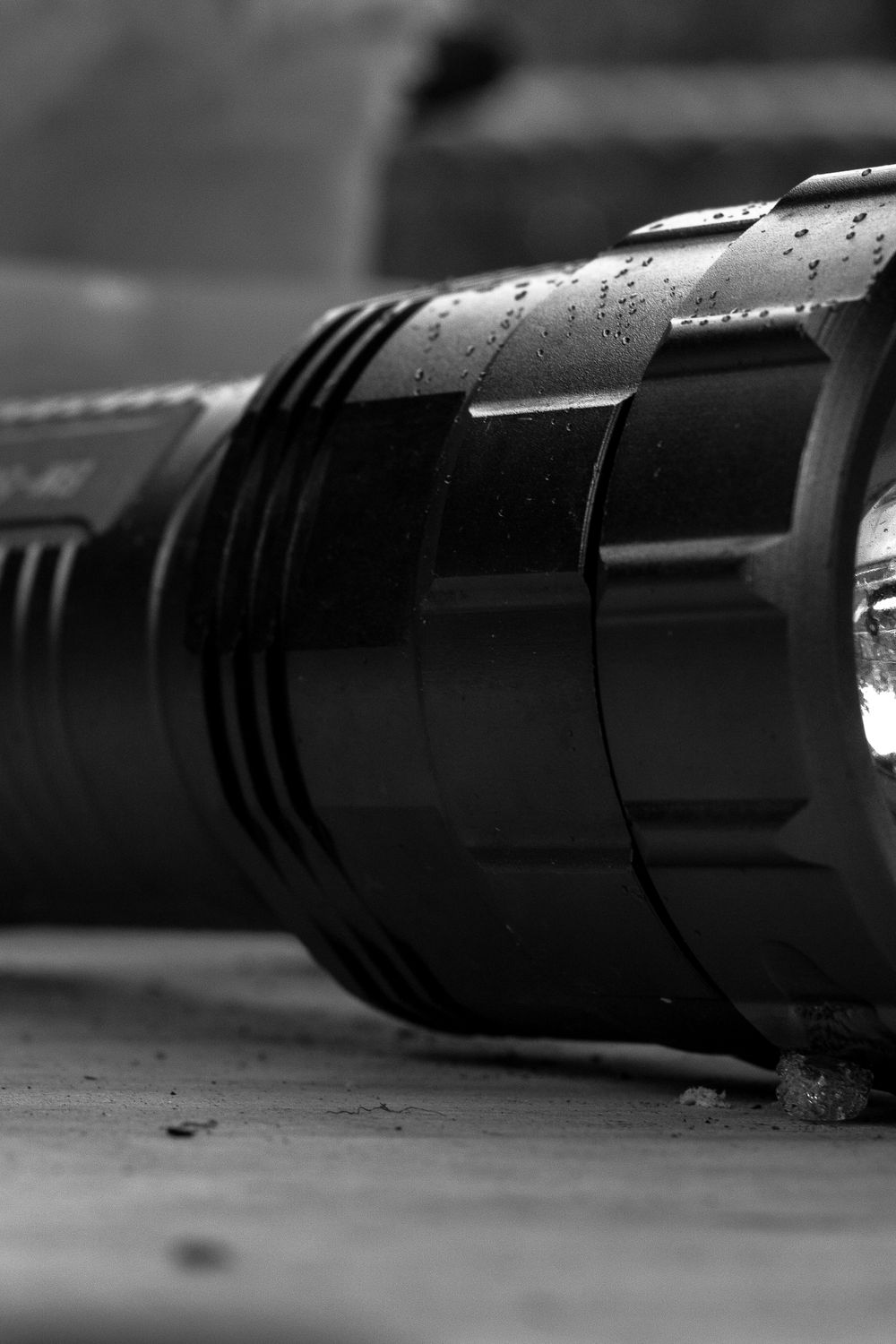
Wurkkos FC11 (Nichia 519A, 5000K)
The FC11 is the perennial budget recommendation, and for good reason. You get a high-CRI (90-plus) Nichia 519a emitter, meaning colors look natural instead of the sickly blue-green of cheap lights, plus onboard USB-C charging, a magnetic tailcap, and a clip, usually for well under the budget. It runs on a single 18650, so runtime is excellent compared to smaller lights. The honest con: the headline lumen figure is a brief peak that steps down within a minute or two as the aluminum body heats, and the pocket clip is only average. Note that Wurkkos sells the FC11 in a confusing number of tint and emitter variants under different listings, so read the title carefully. For a natural-looking, rechargeable, do-everything EDC light on a budget, it is the pick.
View on Amazon Editorial illustration.Most people's idea of a flashlight is a dim, battery-hungry thing rattling in a junk drawer, and the under-50-dollar tier is where that changes: USB-C rechargeable, genuinely bright, pocket-sized lights with good color rendering. This is for the first-time buyer stepping up from gas-station and big-box lights who wants one do-everything EDC light without spending enthusiast money. Here is the community-favorite pick, brighter and simpler options, and why color rendering beats raw lumens.
How do the best options for EDC flashlight under $50 compare?
| Pick | Product | Why it makes the list |
|---|---|---|
| Top pick | Wurkkos FC11 (Nichia 519A, 5000K) | The FC11 is the perennial budget recommendation, and for good reason. |
| Brightest / tinkerer | Sofirn SC31 Pro (2000lm, Anduril 2) | A 2000-lumen peak and the deep Anduril 2 interface for people who love to tinker. Anduril's many modes overwhelm casual users, and the cool 6500K tint is less pleasant than the FC11's high-CRI beam. |
| Simplest / AA backup | Olight i5R EOS | A dead-simple two-mode tail switch that runs on the included USB-C cell or a common AA in a pinch. At 350 lumens with no high-CRI option, it is dimmer and less color-accurate than the FC11. |
| Friendlier interface | Wurkkos FC11C (side switch) | A side e-switch UI many find friendlier than the original FC11's, with the same 90-CRI quality. The side switch can be pressed accidentally in a pocket without a lockout habit. |
What should you look for in EDC flashlight under $50?
A few things separate a good EDC flashlight under $50 from a frustrating one: 18650 is the sweet spot, lumens are peak, not sustained, chase high cri, and check the details. Weigh these before you buy.
- 18650 is the sweet spot: far more runtime and sustained output than AAA or 16340 lights, and prefer onboard USB-C charging over micro-USB or a proprietary cradle.
- Lumens are peak, not sustained: a 1300 or 2000-lumen turbo drops to a few hundred lumens within one to three minutes as the body heats, so judge a light by its steady high, not its turbo number.
- Chase high CRI: a 90-plus emitter (Nichia 519a, Samsung LH351D) makes a bigger real-world difference than raw lumens.
- Check the details: confirm an IP67 or IP68 water rating and whether a cell is included, since some cheap listings ship without the battery.
Why lumens are the wrong number to shop by
The flashlight aisle trains you to compare one number, the lumen count on the front of the box, and it is close to the least useful spec for choosing a good EDC light. There are two reasons. First, that headline number is almost always the turbo figure, the brightness the light produces for the first instant you turn it on, and a small pocket light physically cannot sustain that output, because all those lumens generate heat in a tiny aluminum body, so within a minute or two the light automatically steps down to a much lower level it can maintain without cooking itself or your hand. A light advertised at 1300 or 2000 lumens might settle to three or four hundred, and that sustained level, not the turbo spike, is what you actually use, so two lights with very different headline numbers can perform almost identically in the real world. Second, and less obvious to beginners, is color rendering, measured as CRI, which describes how accurately the light shows colors. Cheap flashlights use high-output emitters with poor CRI that cast a slightly blue-green, washed-out light which makes everything look a little sickly and makes it genuinely harder to tell a red wire from a brown one or judge whether meat is cooked. A high-CRI emitter around 90 or above, like the Nichia 519a in the top pick, renders colors the way daylight does, and most people who compare the two side by side find the CRI difference more meaningful to daily use than a few hundred lumens either way. So the smarter way to shop the under-50 tier is to look past the turbo number toward the sustained output, prioritize a high-CRI emitter and USB-C charging on an 18650 body for runtime, and treat the big lumen figure as a marketing spike rather than a promise.
What are the best alternatives?
Sofirn SC31 Pro (2000lm, Anduril 2)
A 2000-lumen peak and the deep Anduril 2 interface for people who love to tinker. Anduril's many modes overwhelm casual users, and the cool 6500K tint is less pleasant than the FC11's high-CRI beam.
View on AmazonOlight i5R EOS
A dead-simple two-mode tail switch that runs on the included USB-C cell or a common AA in a pinch. At 350 lumens with no high-CRI option, it is dimmer and less color-accurate than the FC11.
View on AmazonWurkkos FC11C (side switch)
A side e-switch UI many find friendlier than the original FC11's, with the same 90-CRI quality. The side switch can be pressed accidentally in a pocket without a lockout habit.
View on AmazonBottom line: the Wurkkos FC11 is the natural-tint, rechargeable, budget do-everything EDC light, the Sofirn SC31 Pro is the brightest tinkerer's pick, and the Olight i5R is the simplest. Judge by sustained output and CRI, not the turbo number. Compare it with our pocket flashlight guide and our keychain flashlight guide.
Frequently asked questions
What is the best EDC flashlight under $50?
Wurkkos FC11 (Nichia 519A, 5000K). The FC11 is the perennial budget recommendation, and for good reason.
What should you look for in EDC flashlight under $50?
Focus on 18650 is the sweet spot, lumens are peak, not sustained, chase high cri, and check the details.
What is a good alternative to the Wurkkos FC11 (Nichia 519A, 5000K)?
The Sofirn SC31 Pro (2000lm, Anduril 2). A 2000-lumen peak and the deep Anduril 2 interface for people who love to tinker. Anduril's many modes overwhelm casual users, and the cool 6500K tint is less pleasant than the FC11's high-CRI beam.
Related buying guides
- Air Purifier for Allergies
- Air Purifier for Pets
- Air Purifier for Mold
- Air Purifier for a Bedroom
- Air Purifier for Smoke
This is a research-based buying guide, not a personal hands-on review. Product details, prices, and availability can change; confirm the current listing on Amazon. As an Amazon Associate I earn from qualifying purchases. Amazon and the Amazon logo are trademarks of Amazon.com, Inc. or its affiliates.
← More Guides: A–F · All guides · How we research · About · Affiliate Disclosure · Privacy Policy · Contact