The Best Keychain Flashlight for Everyday Carry
 Researched by Johnny Alto · Published July 29, 2026
Short answer: The best keychain flashlight for everyday carry is the RovyVon Aurora A5 (USB-C, built-in cell). The Aurora A5 packs an absurd amount into a 2.4-inch, 0.6-ounce keychain body: a built-in USB-C rechargeable cell so there are no fiddly batteries, a main emitter up to a few hundred lumens depending on version, warm-white and red sidelights for close work and signaling, and a magnetic clip, while the glow-in-the-dark shell makes it easy to find in the dark. The main things to weigh are battery choice defines the light, rated lumens last seconds to minutes, size beats specs, and get a lockout.
Top pickRovyVon Aurora A5 (USB-C, built-in cell)View offer →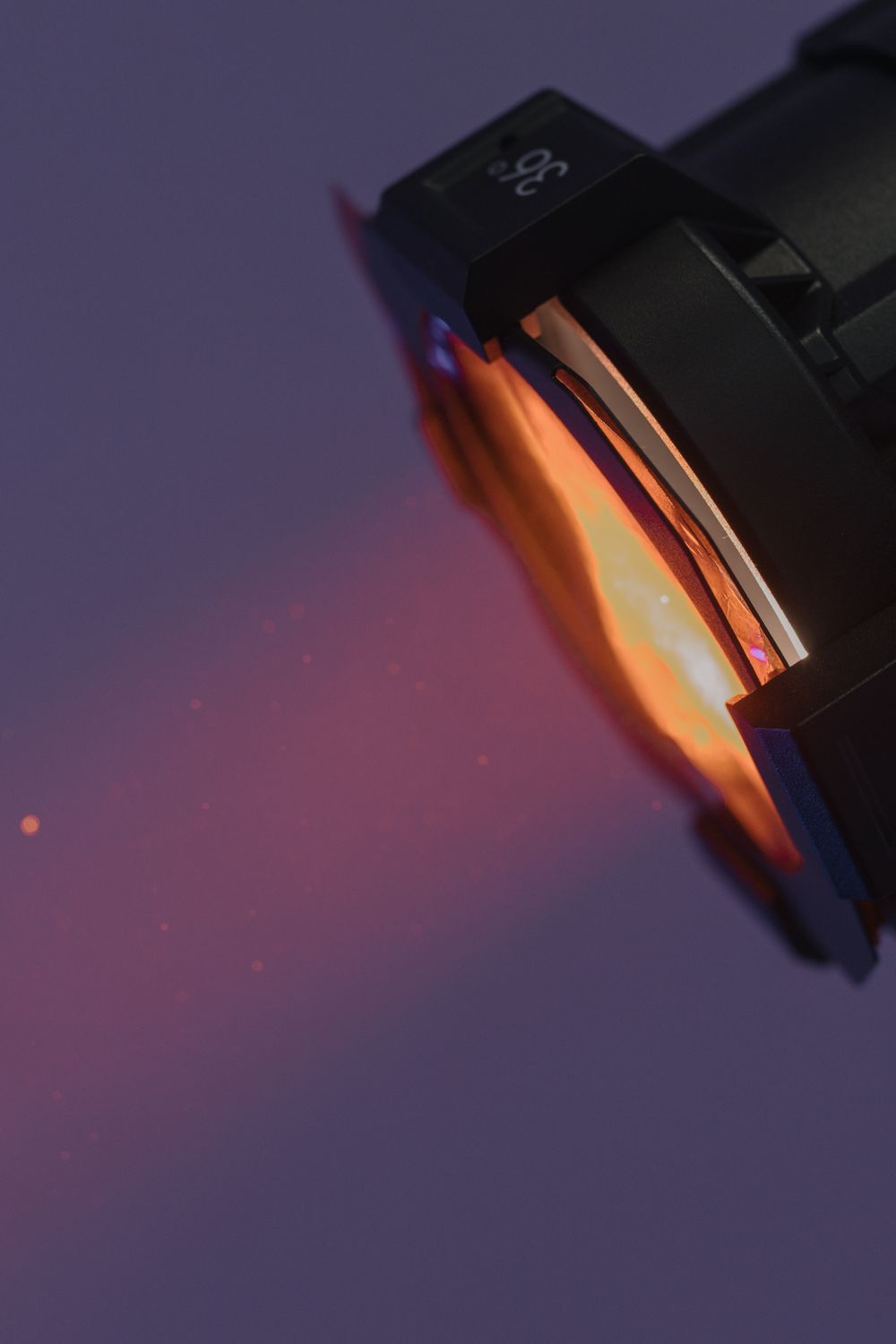
RovyVon Aurora A5 (USB-C, built-in cell)
The Aurora A5 packs an absurd amount into a 2.4-inch, 0.6-ounce keychain body: a built-in USB-C rechargeable cell so there are no fiddly batteries, a main emitter up to a few hundred lumens depending on version, warm-white and red sidelights for close work and signaling, and a magnetic clip, while the glow-in-the-dark shell makes it easy to find in the dark. The honest con: that tiny internal battery means high mode is a short burst and the light gets warm fast, the built-in cell makes the whole light disposable once it degrades after a few years, and the electronic side switch can activate in a pocket without engaging lockout. For maximum capability in a truly keychain-sized light, it is the pick.
View on Amazon Editorial illustration.A keychain light has one job: be so small and painless to carry that it is always with you when the power flickers or you drop something under the car seat. The tradeoff is real, since tiny bodies mean tiny batteries, so sustained output and runtime are limited. This is for the person who wants light attached to their keys or in a coin pocket, not a duty light. Here is the do-it-all pick, multi-emitter and serviceable-AAA options, and the one habit that prevents a dead, hot light in your pocket.
How do the best options for keychain flashlight for everyday carry compare?
| Pick | Product | Why it makes the list |
|---|---|---|
| Top pick | RovyVon Aurora A5 (USB-C, built-in cell) | The Aurora A5 packs an absurd amount into a 2.4-inch, 0.6-ounce keychain body: a built-in USB-C rechargeable cell so there are no fiddly batteries, a main emitter up to a few hundred lumens depending on version, warm-white and red sidelights for close work and signaling, and a magnetic clip, while the glow-in-the-dark shell makes it easy to find in the dark. |
| Multi-emitter with UV | Nitecore TIKI (USB-C) | White plus high-CRI plus UV emitters in a 0.4-ounce body, and very cheap. The plastic build and a stiff two-button UI feel less premium, and the UV is novelty-grade. |
| Serviceable AAA | Olight i3E EOS (AAA) | A swappable AAA means it never becomes e-waste and works with a battery from any store. At 90 lumens with a simple twist, it is a find-your-keyhole light, not a bright one. |
| Brand-name with magnet | ThruNite Ti keychain (USB-C, magnetic tail) | A brighter peak and a magnetic tailcap for hands-free use in a metal body. That peak is very brief on the small cell, and it is chunkier than the ultralight RovyVon. |
What should you look for in keychain flashlight for everyday carry?
A few things separate a good keychain flashlight for everyday carry from a frustrating one: battery choice defines the light, rated lumens last seconds to minutes, size beats specs, and get a lockout. Weigh these before you buy.
- Battery choice defines the light: built-in USB-C (RovyVon, TIKI) is most convenient and brightest but disposable long-term, while AAA (Olight i3E) is dimmer but infinitely serviceable.
- Rated lumens last seconds to minutes: on these tiny cells high mode is a quick burst, so the mid and low modes are what you will actually use.
- Size beats specs: anything over roughly one ounce stops feeling like a keychain light and starts pulling your pocket.
- Get a lockout: keychain lights are notorious for turning on in a pocket or bag and draining or overheating, so use the twist or button-hold lockout.
The keychain light tradeoff
A keychain flashlight is an exercise in accepting limits gracefully, because the entire value of one is that it is small and light enough that you genuinely always have it, and everything else about it flows from that single constraint. To be keychain-sized, the light has to use a tiny battery, and a tiny battery holds very little energy, which sets a hard ceiling on how bright the light can be and how long it can hold that brightness. That is why the honest way to think about a keychain light is not by its headline lumen number, which it can only produce for a few seconds to a minute before the small cell sags and the little body overheats, but by its low and medium modes, which are what you will actually use to find a keyhole, read a label, or make your way down a dark hallway. The main design decision is the battery type, and it is a real fork. Lights with a built-in rechargeable cell and a USB-C port, like the top pick, are the most convenient and the brightest for their size because you just plug them in, but the sealed cell means the whole light becomes disposable once the battery wears out after a few years, so you are buying a device with a lifespan. Lights that take a standard AAA are dimmer and clunkier, but the swappable battery means the light is serviceable essentially forever and you can refuel it from any store on earth, which some people value more than brightness. Whichever you choose, the one habit that matters is using the lockout, the twist or button-hold that disables the switch, because a keychain light jostling in a pocket or bag is famous for switching itself on, draining its little battery, and getting alarmingly hot against your leg, and the lockout is the simple fix.
What are the best alternatives?
Nitecore TIKI (USB-C)
White plus high-CRI plus UV emitters in a 0.4-ounce body, and very cheap. The plastic build and a stiff two-button UI feel less premium, and the UV is novelty-grade.
View on AmazonOlight i3E EOS (AAA)
A swappable AAA means it never becomes e-waste and works with a battery from any store. At 90 lumens with a simple twist, it is a find-your-keyhole light, not a bright one.
View on AmazonThruNite Ti keychain (USB-C, magnetic tail)
A brighter peak and a magnetic tailcap for hands-free use in a metal body. That peak is very brief on the small cell, and it is chunkier than the ultralight RovyVon.
View on AmazonBottom line: the RovyVon Aurora A5 is the do-everything keychain light, the Nitecore TIKI adds emitters for cheap, and the Olight i3E is the serviceable AAA option. Pick by battery type and always use the lockout. Compare it with our EDC flashlight guide and our AAA penlight guide.
Frequently asked questions
What is the best keychain flashlight for everyday carry?
RovyVon Aurora A5 (USB-C, built-in cell). The Aurora A5 packs an absurd amount into a 2.4-inch, 0.6-ounce keychain body: a built-in USB-C rechargeable cell so there are no fiddly batteries, a main emitter up to a few hundred lumens depending on version, warm-white and red sidelights for close work and signaling, and a magnetic clip, while the glow-in-the-dark shell makes it easy to find in the dark.
What should you look for in keychain flashlight for everyday carry?
Focus on battery choice defines the light, rated lumens last seconds to minutes, size beats specs, and get a lockout.
What is a good alternative to the RovyVon Aurora A5 (USB-C, built-in cell)?
The Nitecore TIKI (USB-C). White plus high-CRI plus UV emitters in a 0.4-ounce body, and very cheap. The plastic build and a stiff two-button UI feel less premium, and the UV is novelty-grade.
Related buying guides
- Air Purifier for Allergies
- Air Purifier for Pets
- Air Purifier for Mold
- Air Purifier for a Bedroom
- Air Purifier for Smoke
This is a research-based buying guide, not a personal hands-on review. Product details, prices, and availability can change; confirm the current listing on Amazon. As an Amazon Associate I earn from qualifying purchases. Amazon and the Amazon logo are trademarks of Amazon.com, Inc. or its affiliates.
← More Guides: G–L · All guides · How we research · About · Affiliate Disclosure · Privacy Policy · Contact