Sofirn LT1S
Best feature set under $50: adjustable white and red light, a replaceable battery, USB-C, and IPX8 protection.
View on Amazon → Researched by Johnny Alto · Updated October 12, 2026
Short answer: The Sofirn LT1S is the best rechargeable camping lantern under $50 when it is available near its usual budget price. It combines 500-lumen white output, adjustable 2,700–6,500K color, red modes, a replaceable 21700 battery, USB-C charging, power-bank output, and IPX8 protection.
Best for: campsite tables, tents, and emergency area lighting. Skip it if: you want the simplest possible controls, disposable-battery backup, or a lantern that can sustain its maximum output for hours.
Top pickSofirn LT1S (500lm, white + red)View offer →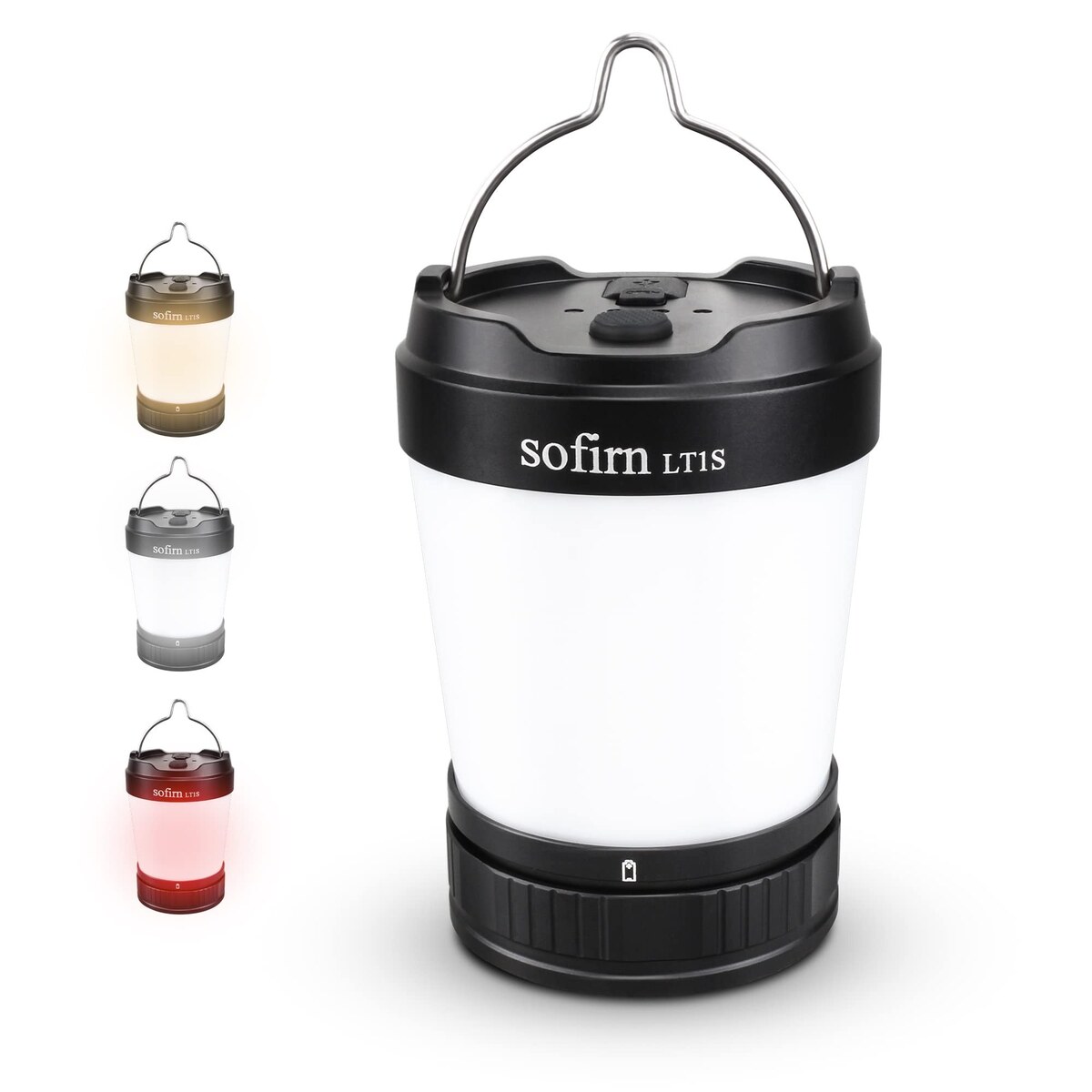
For around 34 dollars it delivers what pricier lanterns do: fully adjustable color temperature from warm 2700K to cool 6500K, a dedicated red mode, and USB-C charging.
Under 50 dollars, the honest trade-off is between cheap emergency lanterns and genuinely good gear, and the useful features are a real USB-C recharge, a red-light night mode, and honest runtime numbers. This is for campers and anyone who wants one lantern that also carries the house through a power outage. Note that some enthusiast favorites like the Streamlight Siege line list above 50 dollars, so they are flagged as budget-dependent. Here is the value pick, the rugged and power-bank options, and how to read runtime.
Best feature set under $50: adjustable white and red light, a replaceable battery, USB-C, and IPX8 protection.
View on Amazon →A rugged 325-lumen lantern that can also work as a flashlight, with fewer color controls than the Sofirn.
View on Amazon →A bright budget lantern with phone-charging output, but less refined low modes and color control.
View on Amazon →An inexpensive disposable-battery backup pair, not the best primary rechargeable camp light.
View on Amazon →A few things separate a good rechargeable camping lantern under $50 from a frustrating one: read the low and medium runtime, brightness, charging and backup, and water and night modes. Weigh these before you buy.
The under-50-dollar lantern market is full of impressive-sounding numbers that fall apart the moment you understand how they are quoted, so learning to read a lantern spec sheet is most of what it takes to buy a good one. The trap is the same one that catches flashlight buyers: the listing leads with the peak lumen figure and a long runtime figure and lets you assume you get both together, when in reality those two numbers describe completely different settings. The peak brightness, say 500 or 1000 lumens, runs the battery down fast, often in a couple of hours, while the long runtime, the eighteen or ninety hours that sounds so reassuring, is measured on a dim low setting. For camping and especially for an outage, the low and medium runtime is the number that actually matters, because you do not need a tent or a room lit at full brightness, you need a comfortable glow that lasts all night and ideally several nights, and a good lantern will run for dozens of hours at a genuinely usable fifty-lumen level. Once you are reading runtime correctly, the other features sort themselves out by how much they help in a real situation. Three to five hundred lumens of peak output is plenty and anything more is mostly wasted battery. A USB-C input is the modern standard for recharging, and a USB output that lets the lantern double as a phone power bank is a real bonus during a blackout, though you should check whether the battery is sealed in or removable, since a sealed lantern gives you nothing once it is drained and off-grid. A red mode earns its place by preserving your night vision and letting you move around without waking anyone, and a bit of water resistance matters if the lantern will see actual weather. Judge the lantern on its honest low-mode runtime and these practical features rather than the headline brightness, and the good sub-50 options separate cleanly from the junk.
Tough, IPX7-rated, up to about 325 lumens with a candle-flicker mode and long low-mode runtime, and it converts to a flashlight. It frequently sits right at or above the 50-dollar line, so check the current price before counting it as under budget.
View on AmazonA brighter peak and a 4400mAh pack that doubles as a phone charger, comfortably under budget. It has no dedicated red mode, the high setting drains quickly, and the runtime claims are optimistic.
View on AmazonNearly indestructible, collapsible, dirt cheap, and a great glovebox or backup pair. These are AA battery-powered, not built-in USB rechargeable, so they only meet the rechargeable brief if you run your own NiMH AAs.
View on AmazonBottom line: the Sofirn LT1S is the bright, dimmable, long-running value lantern, the Streamlight Siege X is the rugged step up if budget allows, and the LE lantern doubles as a power bank. Read the low-mode runtime and favor a red mode. Compare it with our emergency lantern guide and our power-outage flashlight guide.
Sofirn LT1S (500lm, white + red). For around 34 dollars it delivers what pricier lanterns do: fully adjustable color temperature from warm 2700K to cool 6500K, a dedicated red mode, and USB-C charging.
Focus on read the low and medium runtime, brightness, charging and backup, and water and night modes.
The Streamlight Siege X USB Lantern. Tough, IPX7-rated, up to about 325 lumens with a candle-flicker mode and long low-mode runtime, and it converts to a flashlight. It frequently sits right at or above the 50-dollar line, so check the current price before counting it as under budget.
This is a research-based buying guide, not a personal hands-on review. Product details, prices, and availability can change; confirm the current listing on Amazon. As an Amazon Associate I earn from qualifying purchases. Amazon and the Amazon logo are trademarks of Amazon.com, Inc. or its affiliates.
← More Outdoors & Sports · All guides · How we research · About · Affiliate Disclosure · Privacy Policy · Contact